Key takeaways
- MCP elicitation lets a server pause a tool call to ask the user for input, then finish the call with the answer.
- Form mode collects flat fields defined by a JSON Schema, while URL mode sends the user to a browser for secrets, payments and third-party sign-in.
- Anthropic made elicitation generally available in Claude and Claude Code on November 24, 2026, with Supabase, Railway and GitHub as launch partners.
MCP elicitation is the part of the Model Context Protocol that lets a server stop in the middle of a tool call, ask the user for something, and then finish the job with the answer. The question arrives either as a small form inside the AI app or as a link the user opens in a browser. On November 24, 2026 Anthropic made elicitation generally available in Claude and Claude Code for Pro, Max and Ultra plans, and it is rolling out to Team and Enterprise organizations.
Before elicitation, a server that needed one more detail, or a yes before doing something risky, had two bad options: fail the call or guess. Now it can ask the person. Anthropic frames it around actions that "need a user's sign-off, like spending money or deleting data."
What MCP elicitation is used for
MCP, the open protocol that connects AI assistants to outside apps and data, mostly moves information one way: the model calls a tool, the server answers. Elicitation adds a question that goes to the human, through the client app, while the call waits.
Anthropic named three launch partners:
- Supabase confirms costs before it creates a paid project, and asks before it runs destructive SQL.
- Railway asks before potentially destructive changes, such as removing a service.
- GitHub makes the user type a repository's name before an agent deletes it.
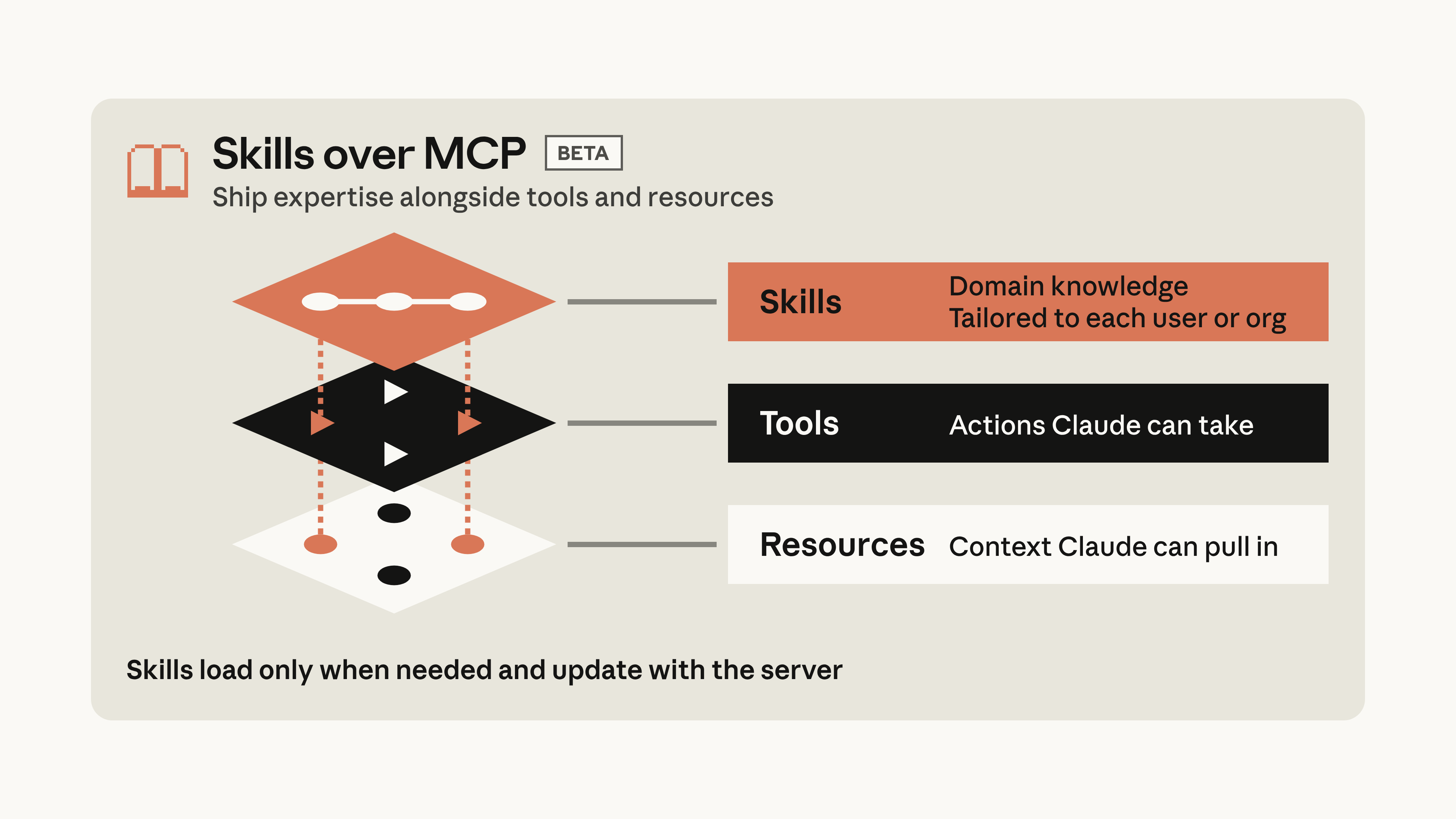
A server can also ask for a missing setting, such as a project name. GitHub's developer relations team built a game server that asks for difficulty and turn order, and found it worked best when it asked only for what the request left out. Our news story on the launch covers the other features Anthropic shipped the same day.
Form mode and URL mode
The current specification, revision 2026-07-28, defines two modes. Every request carries a message that tells the user why the server is asking.
Form mode
The server sends a requestedSchema, a small JSON Schema describing the fields it wants. The client draws a form from it and sends the values back. Elicitation first appeared in the 2025-06-18 revision of the spec with forms only.
The schema must be a flat object, so any client can render it. Each field is a string (optionally an email, uri, date or date-time), a number or integer with optional limits, a boolean, or a single- or multi-select enum. Fields can carry a default. Nested objects are not allowed. A request for a GitHub username looks like this:
{
  "method": "elicitation/create",
  "params": {
    "mode": "form",
    "message": "Please provide your GitHub username",
    "requestedSchema": {
      "type": "object",
      "properties": { "name": { "type": "string" } },
      "required": ["name"]
    }
  }
}
URL mode
The server sends a url instead of a schema, and the user finishes in a browser. What the user types there goes straight to the server and never passes through the AI app or the model. URL mode arrived in the 2025-11-25 revision, and the spec notes its design may still change.
It exists for secrets. Servers must not use form mode for passwords, API keys, access tokens or payment credentials, and must use URL mode for them. The main use is third-party sign-in: the server sends the user through an OAuth flow with another service and keeps the tokens itself. Signing in to the MCP server itself is handled separately, by MCP authorization.
Accept, decline or cancel
Every elicitation ends with one of three answers:
| Action | What the user did | What comes back |
|---|---|---|
accept |
Submitted the form, or agreed to open the link | Form mode: the values in content. URL mode: nothing else |
decline |
Clicked "Decline" or "No" | No content |
cancel |
Closed the dialog or pressed Escape | No content |
The spec suggests offering alternatives after a decline and asking again later after a cancel. In URL mode, accept only means the user agreed to open the link, so the server checks for itself whether the browser flow finished.
The 2026-07-28 revision also changed the plumbing, in what it calls a breaking change. The server now answers the tool call with an InputRequiredResult listing what it needs, plus an opaque requestState. The client asks the user and sends the original call again with the answers and the state echoed back. These multi round-trip requests mean the server needs no session in between. Clients declare "elicitation": {"form": {}, "url": {}} on each request, and servers must not send a mode the client didn't declare.
The security rules
- Clients must show which server is asking, offer clear decline and cancel options, and let users review form answers before sending.
- Clients must not open or pre-fetch a URL without consent, must show the full URL first, and must open it where neither the client nor the model can read the page. They should highlight the domain and warn on suspicious addresses such as Punycode.
- Servers must not put user data or credentials in the URL or send pre-authenticated links.
- Servers must check that the person who opens the link is the one who triggered it. Otherwise an attacker could start a sign-in and trick someone else into completing it, binding the victim's account to the attacker.
- Servers must not pass credentials from URL mode back to the client, and must treat
requestStateas attacker-controlled.
Who supports MCP elicitation
The client has to draw the question, so support depends on the app:
- Claude and Claude Code, generally available since November 24, 2026.
- GitHub Copilot in Visual Studio Code, used in GitHub's September 4, 2025 demo.
- Cloudflare's Agents SDK, which added handlers for both modes on July 13, 2026.
- Amazon Bedrock AgentCore Gateway, which forwards elicitation requests from MCP servers behind it to the client. AWS advises servers to keep a fallback, such as a default value, for clients without support.
How elicitation works in Claude Code
The Claude Code docs say no setup is needed. Form mode opens a dialog in the terminal. URL mode asks whether to open the link in your browser. In cloud sessions and the desktop app's Code tab, the request appears as a card with Submit, Open link and Decline buttons.
Claude Code declares both modes on protocol revision 2026-07-28, and on older revisions for servers in your own configuration from v2.1.287. claude.ai connectors on older revisions get form mode only.
Two hooks can script the answers. An Elicitation hook runs before the dialog and can accept with values, decline or cancel. An ElicitationResult hook runs after the user answers and can change or block the response. Both match on the server's name.
Why it matters
Elicitation moves the "are you sure?" step out of the model's hands. The server that owns the data decides when to ask, and the user answers in a form the server defined. That is a sturdier check than hoping the model pauses to confirm. Its weak point is the one every consent prompt has: people click through, which is why typing a repository's name beats a button. For background on the protocol, see what MCP is and how it works.
Frequently asked questions
What is MCP elicitation?
It is a feature of the Model Context Protocol that lets an MCP server ask the user for information in the middle of a tool call, through a form in the client or a link opened in a browser. The user can accept, decline or cancel.
What is the difference between form mode and URL mode?
Form mode shows fields defined by a small JSON Schema, and the answers pass through the client. URL mode opens a web page, so whatever the user enters goes straight to the server; the spec requires it for passwords, API keys and payment details.
What is the difference between MCP elicitation and sampling?
Elicitation asks the human for input. Sampling, through sampling/createMessage, asks the client's language model to generate a response. In the 2026-07-28 spec both travel the same way, inside an InputRequiredResult.
Does Claude Code support MCP elicitation?
Yes. Claude Code shows a dialog for form requests and asks before opening a link for URL requests, with no setup needed. Elicitation and ElicitationResult hooks can answer or change responses automatically.
Sources
- Skills over MCP, Tasks, and moreAnthropic
- Elicitation (specification 2026-07-28)Model Context Protocol
- Multi round-trip requests (specification 2026-07-28)Model Context Protocol
- Elicitation (specification 2025-06-18)Model Context Protocol
- Connect Claude Code to tools via MCP: respond to MCP elicitation requestsAnthropic
- Hooks reference: ElicitationAnthropic
- Building smarter interactions with MCP elicitationGitHub
- Agents SDK: MCP client elicitationCloudflare
- Use elicitation with your AgentCore gatewayAmazon Web Services