Key takeaways
- Creator Philipp Emanuel Weidmann archived the Heretic repository on November 28, 2026 and named no successor.
- Heretic edits a model's weights to cut refusals and other behaviors without retraining, and the community has published thousands of models made with it.
- The code, a Codeberg mirror and the PyPI release 2.1.0 remain available, but the project is no longer maintained unless contributors organize a fork.
Heretic, the open-source tool that strips refusals out of language models, lost its creator on November 28, 2026. Philipp Emanuel Weidmann, who goes by p-e-w on GitHub, posted a farewell and archived the Heretic repository, which is now read-only. He named no successor.
Heretic had become one of the most widely used tools of its kind. The repository had about 43,800 stars and 5,800 forks when it was archived, and the README says the community has published thousands of models made with it on Hugging Face. The farewell drew more than 1,000 points on the Hacker News front page within a day.
What Heretic does
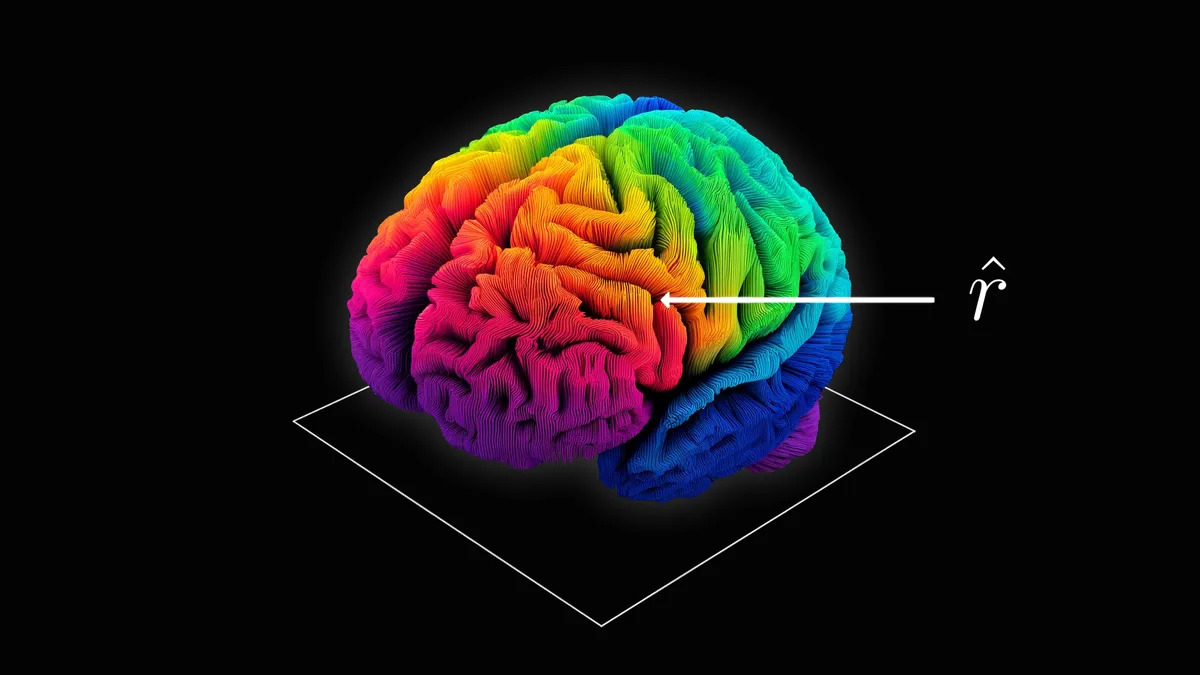
Heretic changes a model's behavior without retraining it. It compares the model's internal activations on two sets of example prompts, finds the direction linked to a behavior such as refusing, and edits the weights to weaken it. This technique is called abliteration; our explainer covers how it works. Heretic's addition was an optimizer that searches for the settings that cut refusals while changing the rest of the model as little as possible.
Removing refusals is the default. Other configurations in the repository reduce "slop", humor or sycophancy, or shorten answers. The README says a 4-billion-parameter Qwen model takes about 30 to 40 minutes on an RTX 3090 graphics card.
Why the project stopped
Weidmann warned this was coming. In a pinned issue on July 5, 2026, he wrote that he expected "at some point in the not-too-distant future" to be permanently unable to develop software, for reasons he did not detail. The November 28 post says that point has arrived.
He archived the repository, he wrote, to keep it "in its current, high-quality state" and to stop issue and pull request spam. He asked contributors to organize on Discord, Matrix or elsewhere and decide whether to continue the project without him. He chose not to pick a successor or suggest where the work should live.
What happens to people who use it
Nothing breaks right away. The code stays readable on GitHub and on a Codeberg mirror, and the last release on PyPI, heretic-llm 2.1.0 from November 8, can still be installed. Models already made with Heretic stay on Hugging Face.
What stops is maintenance. New model architectures appear every few weeks, and a tool like this needs updates to support them. The project is licensed under AGPL-3.0, so anyone can fork it, but no fork has been named the official continuation.
What to watch
The question is whether the contributors who answered the farewell settle on one fork or several. A single maintained fork would keep Heretic's name and user base together. Several competing ones would split it, and users would have to judge which to trust with a tool that edits model weights.
Sources
- Farewell (issue #601)GitHub / Philipp Emanuel Weidmann
- Heretic repositoryGitHub
- Notice about the future of Heretic (issue #401)GitHub / Philipp Emanuel Weidmann
- heretic-llmPyPI
- Hacker News discussionHacker News