Key takeaways
- Grok is a chat, voice and media assistant sold in The X Subscription from $8 to $200 a month, while Muse is Meta's errand agent, free for most use, with paid plans whose prices Meta has not published in its announcements.
- Muse is available only in the US, Canada, Singapore and Australia; xAI offers The X Subscription globally and its closest match to Muse is Grok Bot, included from the $30 Premium tier.
- On the Artificial Analysis Intelligence Index, Grok 4.7 scores 35, Muse Spark 1.3 scores 37 and Muse Wonder scores 44, all far below the leader at 65.
Grok vs Muse is a chatbot against an errand agent. xAI's Grok is an assistant for chat, voice, images and video, sold in The X Subscription from $8 to $200 a month and offered "to everyone globally." Meta's Muse is a personal agent that books, buys and emails for you, free "for most of what people need," and so far available in four countries: the US, Canada, Singapore and Australia. Prices here are as of November 22, 2026.
xAI's closer match to Muse is Grok Bot, an agent with its own cloud computer, included from the $30 Premium tier and built for work teams rather than personal errands.
This comparison is based on the products' docs and published results, including independent benchmarks from Artificial Analysis. Neither product was tested hands-on.
Muse is also the name of Meta's model family, covered below. Meta AI is a separate assistant; see is Meta AI the same as Muse.
Grok vs Muse at a glance
| Grok (xAI) | Muse (Meta) | |
|---|---|---|
| What it is | A chat assistant: chat, voice, images, video, file analysis | A personal AI agent that does tasks for you |
| Agent for errands | Grok Bot, a separate product aimed at teams | Muse itself |
| Where it runs | grok.com, iOS and Android apps, inside X; Grok Bot on desktop, iOS, Slack and Microsoft Teams | Muse app on iOS, Android and Mac, muse.ai, WhatsApp; AI glasses "coming soon" |
| Free tier | Yes, limited Chat and Voice | Yes, "free for most of what people need" |
| Paid plans (as of November 22, 2026) | Plus $8, Premium $30, Super $100, Ultra $200 a month | Meta lists paid Muse plans in its help center, but the prices could not be read and checked |
| How limits work | One weekly pool; Premium 4x Plus, Super 15x, Ultra 50x | Weekly Muse token allowances on paid plans; Meta's launch posts give no numbers |
| Model behind it | Not named in xAI's Grok docs; newest model is Grok 4.7 | Muse Spark; Muse Wonder "will soon power experiences in Muse" |
| Artificial Analysis Intelligence Index | Grok 4.7: 35 | Muse Spark 1.3: 37; Muse Wonder: 44 |
| Shopping and payments | Grok Bot can fill a card saved in its Vault at checkout | Built in, with one-time cards from Link by Stripe |
| Countries | Offered "to everyone globally"; no country list in the docs | US, Canada, Singapore, Australia |
| Minimum age | Not stated in the Grok docs | 18, or older where local law requires |
| Training on your data | Settings under Data Controls; no default stated in the FAQ | On unless you opt out under Data Controls |
What Grok and Muse are for
Grok is an assistant first. xAI's Grok docs list chat, image and video generation, voice, file uploads and connectors. The connectors page names Gmail, Google Calendar, Google Drive, OneDrive, Outlook, Microsoft Teams, SharePoint and Salesforce, plus apps such as Notion, GitHub and Canva. Grok mostly answers, searches and makes things inside the chat.
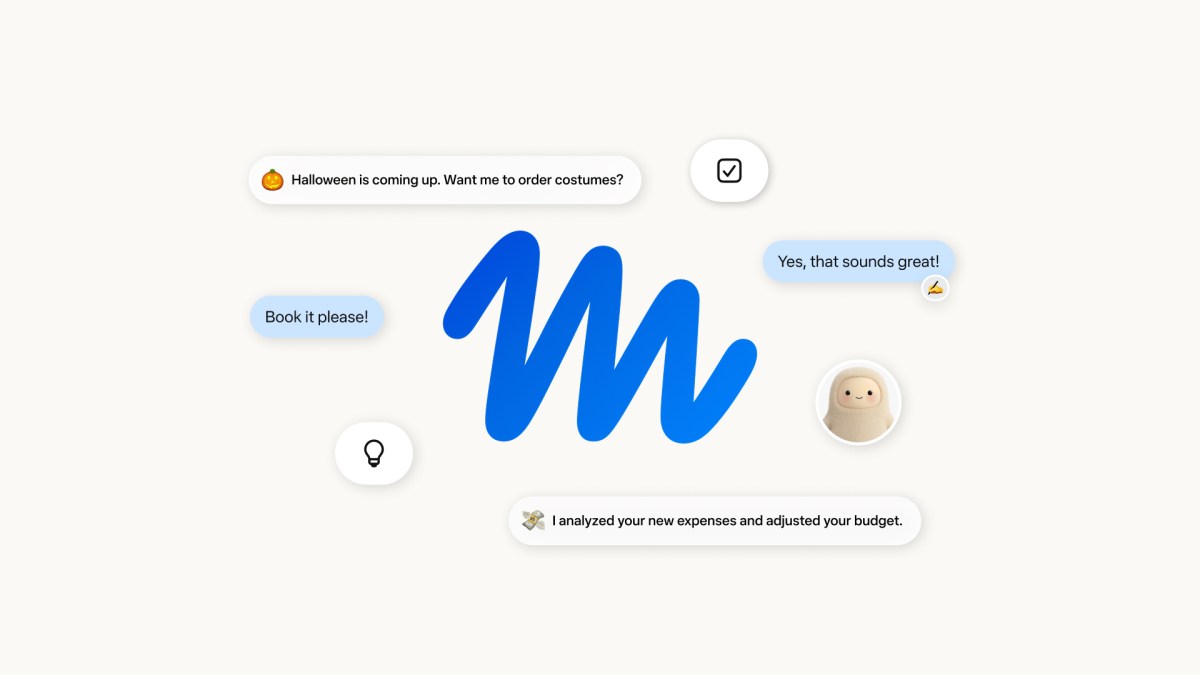
Muse is an agent first. Meta says it can send emails, book travel, fill out web forms, shop and negotiate for you, and keeps working after you close the app. The muse.ai home page lists sorting email, booking reservations, shopping, managing calendars and building fitness plans. It also makes suggestions you didn't ask for.
Pick Grok to ask, write and generate. Pick Muse to get chores done. They overlap less than the search suggests.
Grok Bot vs Muse: the two agents
xAI's Grok Bot page calls it "AI teammates you can give real work to." Each Bot has its own cloud computer, signs in to your apps, runs around the clock and checks in when it needs approval. It works in Slack and Teams, joins video calls, and xAI's examples are work roles such as sales outreach and expenses.
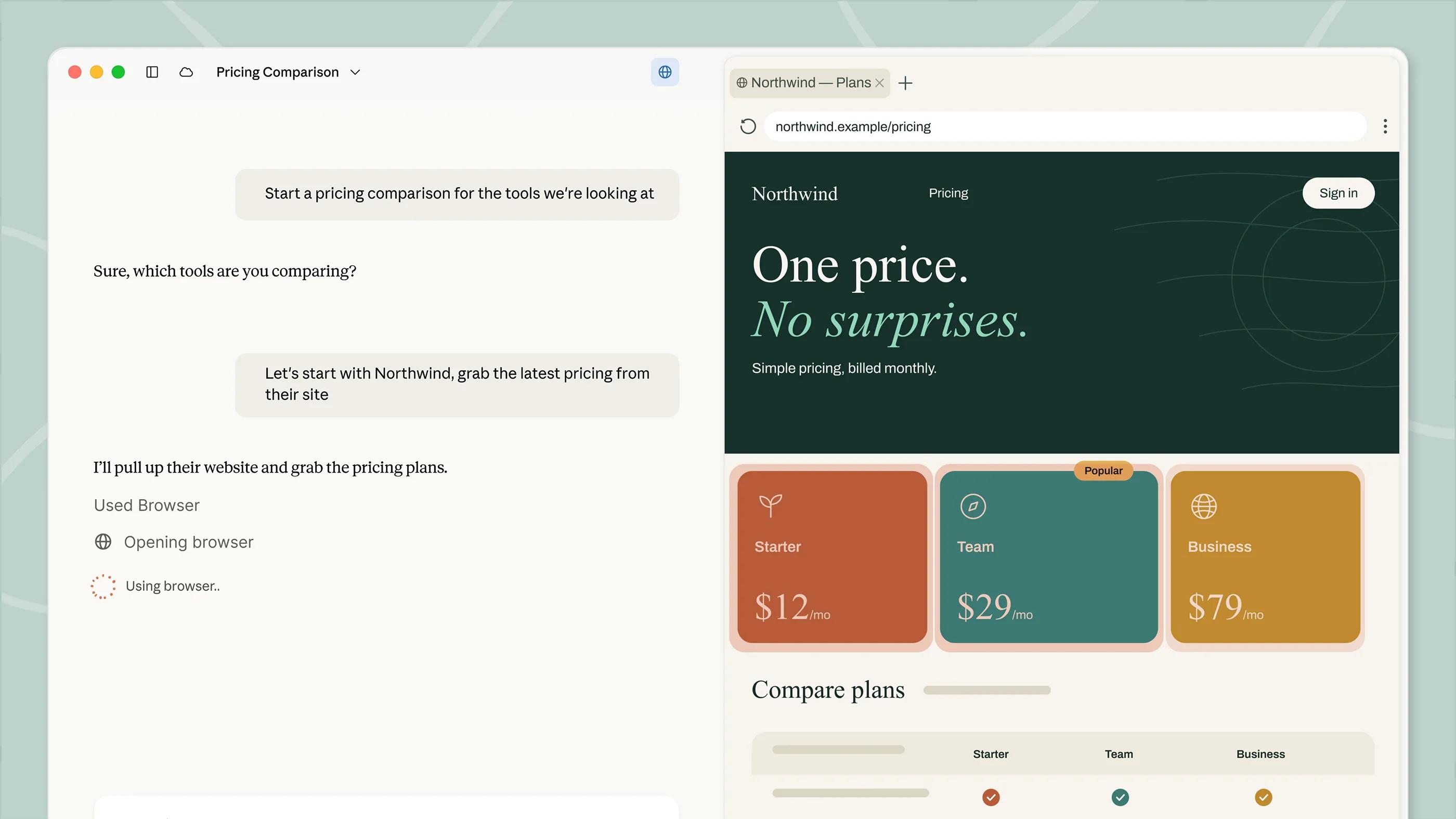
Muse has the same basic setup, aimed at your personal life: a persistent cloud Linux computer with a full browser, which Meta calls the Muse Secure VM. It connects to Gmail, Google Calendar, Instagram, OpenTable and Canva, plus local shops such as Officeworks in Australia and, since November 18, Loblaw in Canada.
How each handles risky steps:
- Approvals. Grok Bot runs most actions after an automated check called Auto Review, and asks for anything your "Ask first" rules cover, per its security page. Muse asks before sending email or buying, and a second agent, Sentinel, must approve anything that reaches the internet.
- Passwords. Both keep logins away from the model: Grok Bot through a Vault or password manager, Muse through a credential store the model can't see.
- Payments. Muse pays with one-time card numbers from Link by Stripe. Grok Bot fills a card saved in its Vault without asking each time; xAI says not to save the card if you want to approve every payment.
xAI says Grok Bot is generally available for Enterprise and Teams plans, and its pricing docs include it on the individual Premium, Super and Ultra tiers, not on Plus or Free. See Grok Bot pricing.
How much Grok and Muse cost
Prices in US dollars, as of November 22, 2026, before tax.
| Plan | Price per month | What you get |
|---|---|---|
| Grok Free | $0 | Limited Chat and Voice, a starter allowance for Cursor, standard X |
| Grok Plus | $8 ($80 a year) | Base weekly pool, X checkmark and fewer ads; no Grok Bot |
| Grok Premium | $30 ($300 a year) | 4x the Plus pool, Grok Bot, Cursor Pro and X Premium+ benefits |
| Grok Super | $100 ($1,000 a year) | 15x the Plus pool |
| Grok Ultra | $200 ($2,000 a year) | 50x the Plus pool |
| Muse free | $0 | "Most of what people need"; no published limit |
The Grok figures come from xAI's pricing docs and its October 12 X Subscription announcement, which says Premium bundles SuperGrok, Cursor Pro and X Premium+, previously $90 a month combined.
Meta's help center has a page called About Muse subscriptions, but it would not load in a readable form, and Meta's launch posts give no prices, so this comparison leaves Muse's paid prices out. Check the subscription screen in the Muse app before paying. Our page on whether Meta Muse is free has the history.
Usage limits
Neither company publishes a message count.
Grok uses one weekly pool per paid seat, shared across Chat, image and video, Voice, Build, Grok Bot and Grok models in Cursor. Video drains it much faster than chat. When it runs out you can buy Extra Usage Credits from $5 or upgrade. Free-tier limits reset on their own schedule. Details are in Grok limits.
Muse counts usage in weekly "Muse tokens," the units of text a model reads and writes, and sells extra tokens that don't expire. Meta has not said how many tokens a typical errand uses or what the free tier allows.
Where and in which countries
Grok runs on grok.com, in the iOS and Android apps and, per xAI's FAQ, inside X. Muse runs in its own app, on muse.ai and in WhatsApp. Meta's November 17 post says Muse is "coming soon to AI glasses," and its help center already lists a beta page for glasses. Muse reads from Instagram as a connected app but does not run inside it.
xAI said on October 12 that The X Subscription would reach "everyone globally" within days. Muse launched in the US on September 8, then reached Singapore in October, Australia on November 17 and Canada. Outside those four countries, Grok is the only option of the two.
The models behind them
xAI's Grok app docs don't name the model you are talking to. xAI's model list calls Grok 4.7, released in September, "the most capable model we've built." Meta says Muse runs on Muse Spark without naming a version, and on October 12 said its newer Muse Wonder "will soon power experiences in Muse," reaching subscribers first.
Published benchmarks: Grok 4.7 vs Muse Spark and Muse Wonder
No one has benchmarked the two apps. The models have independent scores from Artificial Analysis, read on November 22, 2026, each at its highest reasoning setting.
| Artificial Analysis | Grok 4.7 (xhigh) | Muse Spark 1.3 (max) | Muse Wonder (max) |
|---|---|---|---|
| Intelligence Index | 35 | 37 | 44 |
| Output speed | 70 tokens/s | 100 tokens/s | 110 tokens/s |
| API price, input / output per 1M tokens | $2.00 / $6.00 | $1.25 / $4.25 | $4.00 / $20.00 |
| Context window | 500,000 | 1 million | 1 million |
| Cost per index task | $7.77 | $2.39 | $6.95 |
Muse Wonder beats Grok 4.7 widely on Terminal-Bench 4.0, agentic coding in a terminal (52.0% to 25.8%), and narrowly on AutomationBench-AA, business workflows (68.1% to 65.6%). Grok 4.7 is slightly ahead on FrontierCode-AA 2.0 (28.7% to 27.9%) and on AA-Omniscience, which penalizes guessing (31 to 25).
Both trail the leader, Claude Fable 5.2, at 65. Artificial Analysis marks Muse Spark 1.3 as deprecated. These are model scores, not app scores.
Privacy and data use
Grok. The Grok FAQ points to Settings, Data Controls. Deleted chats are removed "within standard retention windows" unless law or safety requires longer. Grok Bot's training opt-out follows your Cursor account settings.
Muse. The Muse terms, effective November 17, 2026, let Meta use your content to improve its AI unless you opt out under Data Controls. Meta says Muse data is not shared with its ad systems.
On November 19, TechCrunch reported, citing a Reuters investigation, that Meta employees said Muse mixed up conversations across accounts and showed bank balances that weren't theirs. Meta said "employees have access to different versions of Muse than the public." See is Meta Muse safe.
Which one to pick
- Answers, writing, images or video: Grok.
- Errands from your phone or WhatsApp: Muse, in its four countries. Grant narrow permissions until Meta explains the reported mix-ups.
- An agent for work in Slack or Teams: Grok Bot, on Premium or higher.
- Anywhere else in the world: Grok.
For other matchups, see Gemini vs Muse and Meta Muse vs Claude. Watch for Meta's answer to the Reuters report, Muse Wonder reaching the app, and Muse on AI glasses.
Frequently asked questions
Is Grok free?
Yes. Grok has a free tier with limited Chat and Voice, as of November 22, 2026. Paid plans in The X Subscription run from $8 to $200 a month and share one weekly usage pool.
Is Muse free?
Meta says Muse is free for most of what people need. Meta also offers paid Muse plans; check the prices in the Muse app.
What is the difference between Grok and Grok Bot?
Grok is xAI's chat assistant on grok.com, the apps and X. Grok Bot is a separate agent product with its own cloud computer that signs in to your apps and does work, included on the Premium, Super and Ultra tiers.
Is Muse the same as Meta AI?
No. Muse is Meta's personal agent app, and Meta AI is the assistant inside Instagram, Facebook and WhatsApp. Muse is also the name of the Meta model family that powers both.
Sources
- X Subscription pricingxAI
- Grok FAQxAI
- Grok overviewxAI
- Usage limitsxAI
- Grok Bot on The X SubscriptionxAI
- Grok Bot approvals, security and privacyxAI
- Grok connectorsxAI
- Models and pricingxAI
- Release notesxAI
- Introducing The X SubscriptionxAI
- Grok BotxAI
- Introducing Muse: The World's First Personal AI Agent Built for EveryoneMeta
- Muse Is Now Available in AustraliaMeta
- Meta welcomes Loblaw as first Canadian retail partner to MuseMeta
- Introducing Muse Wonder modelsMeta
- About Muse subscriptionsMeta
- MuseMeta
- Muse Supplemental Terms of ServiceMeta
- Grok 4.7 vs Muse WonderArtificial Analysis
- Grok 4.7Artificial Analysis
- Muse Spark 1.3Artificial Analysis
- Muse WonderArtificial Analysis
- LLM leaderboardArtificial Analysis
- Meta's AI agent Muse is mixing up conversations and exposing private data, report saysTechCrunch