Key takeaways
- OpenCode is free and MIT-licensed, works with 200+ model providers, and offers an optional OpenCode Go plan at $10 a month (Go Plus $40) as of November 17, 2026.
- Cursor sells new plans through The X Subscription since October 12, 2026: Free, Plus $8, Premium $30, Super $100 and Ultra $200 a month.
- Cursor's plan usage covers its own Grok and Composer models; Claude, GPT and other third-party models cost API list price on top, from Premium up.
OpenCode vs Cursor comes down to who you pay and for what. OpenCode is a free, MIT-licensed coding agent that runs on whatever model you bring, with an optional $10 a month plan for open-weight models. Cursor is a commercial editor and agent that, since October 12, 2026, new customers buy as part of The X Subscription, with plans from free to $200 a month and third-party models such as Claude and GPT billed on top. All prices below are as of November 17, 2026.
That split decides most of it. OpenCode is a tool, and you choose the model and the bill. Cursor is a product with its own models, a polished desktop app and cloud agents, but on the new plans the only usage included is for Cursor's own models.
OpenCode vs Cursor at a glance
| OpenCode | Cursor | |
|---|---|---|
| Price of the tool | Free, open source | Free plan, then $8 to $200 a month |
| Paid plans | Go $10/month, Go Plus $40/month (optional) | Plus $8, Premium $30, Super $100, Ultra $200 a month; Teams from $30 per user; Enterprise custom |
| What a plan includes | Go: 32 open-weight and hosted models with 5-hour, weekly and monthly limits | A weekly usage pool for Cursor's own models (Grok, Composer), shared with Grok |
| Other models | Your own keys from 200+ providers, local models, or ChatGPT Plus/Pro and GitHub Copilot logins | Claude, GPT, Gemini and others on Premium and up, at API list price from prepaid credit |
| Interface | Terminal UI, desktop app (beta), web pairing link, mobile app, SDK, VS Code extension | Desktop app, CLI, web, iOS app, Slack, GitHub, Linear |
| Open source | Yes, MIT license | No |
| Agents | Build and Plan primary agents, General and Explore subagents, custom agents in Markdown | Agent, Plan and Ask modes; cloud agents in VMs on Premium and up |
This comparison is based on each product's docs, pricing pages and repository. It was not a hands-on test.
How much OpenCode costs
OpenCode itself costs nothing. The GitHub repository is under the MIT license and shows about 227,000 stars. The homepage says free models work with no account, and that you can sign in with a ChatGPT Plus or Pro plan or GitHub Copilot instead of paying for another subscription.
If you want hosted models without managing keys, there are two paid options:
- OpenCode Go costs $10 a month, and Go Plus costs $40 a month, as of November 17, 2026. Both give the same 32 models, including Kimi K3, Qwen3.8 Max, Grok 4.7, GLM-5.3, DeepSeek V4 Pro, GPT-5.6 Luna and Claude Haiku 5.5. Limits run over 5-hour, weekly and monthly windows and differ by model. GLM-5.3, for example, allows an estimated 198 requests per 5 hours on Go and 1,580 on Go Plus. When you hit a limit you can top up with Extra Usage or fall back to the free models. Go also works inside Claude Code, Codex and Pi.
- OpenCode Console is pay as you go. You buy credit, with a fee of 4.6% plus $0.31 per purchase, and pay per million tokens. Claude Sonnet 5.5 is listed at $2 input and $10 output, and Kimi K3 at $3 and $15, as of November 17, 2026.
So the cheapest useful setup is $0 with free models or a subscription you already have, and the cheapest bundled one is $10 a month.
More detail is in Is OpenCode free?.
How much Cursor costs
Cursor changed how it sells itself on October 12, 2026. xAI announced The X Subscription, one plan that covers Grok, Grok Bot, Cursor and X Premium. Cursor's pricing page now lists those same tiers, sold through X Subscription Corp. As of November 17, 2026:
| Plan | Price | Usage | Cursor features |
|---|---|---|---|
| Free | $0 | Limited | Limited agent and Chat requests |
| Plus | $8/month | Base | Agent with Cursor models only |
| Premium | $30/month | 4x Plus | Cloud agents and automations, Bugbot code reviews, code hosting, third-party models |
| Super | $100/month | 15x Plus | Adds priority model access at peak times |
| Ultra | $200/month | 50x Plus | Adds earliest access to products and models |
| Teams | $30+/user/month | 4 to 50x Plus, pooled | SSO, admin, usage analytics, team marketplace |
| Enterprise | Custom | Pooled | SCIM, audit logs, spend and model controls |
Three details matter more than the prices:
- The pool is for Cursor's own models. The models docs say paid plans share one weekly pool across Grok and Cursor. Third-party models "aren't included". On Premium and above you pay for them at API list price from prepaid credit.
- Plus is limited. It has no Auto, cloud agents, automations, Bugbot, third-party models or your own API keys.
- Teams pay a token fee. On Teams and Enterprise, third-party requests add a Cursor Token Rate of $0.25 per million tokens.
Existing subscribers keep what they have. The models docs call Pro, Pro+, Ultra and the old Teams seats "legacy Cursor plans" that keep working with two monthly usage pools and on-demand usage. xAI says existing Cursor subscribers can stay or switch with a prorated refund.
Models: bring your own vs Cursor's catalog
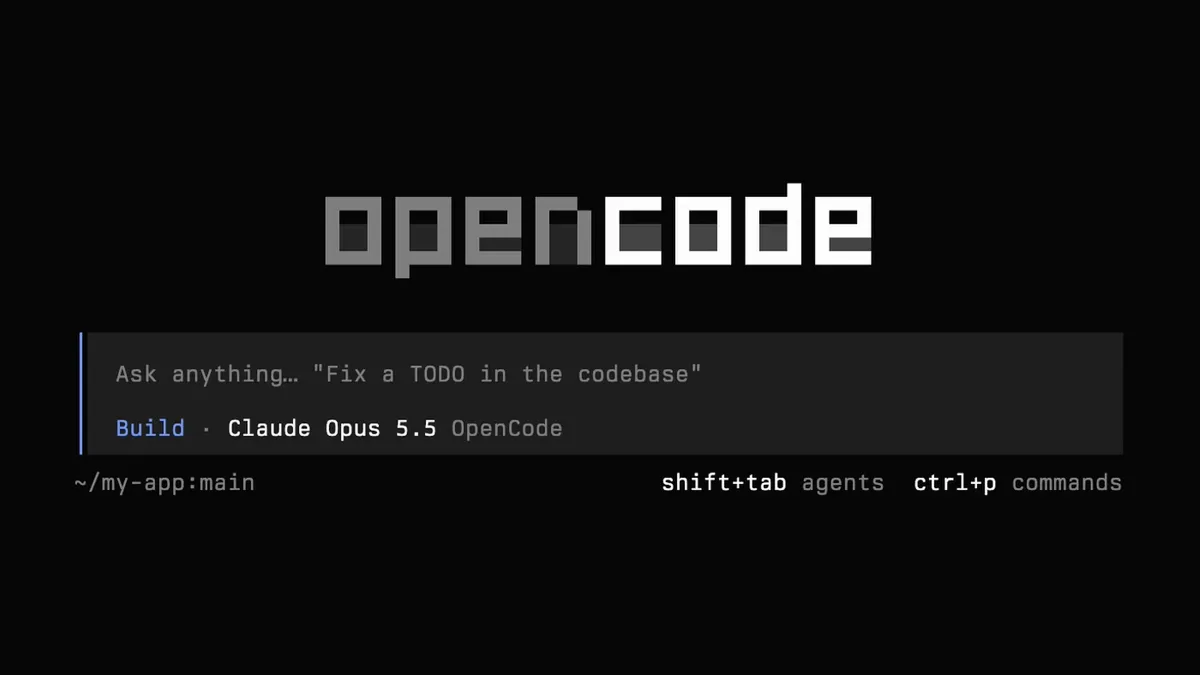
OpenCode is built to be model-neutral. Its homepage says it connects to more than 200 providers through Models.dev, including local models. You add a provider from inside the terminal with /connect, according to the docs.
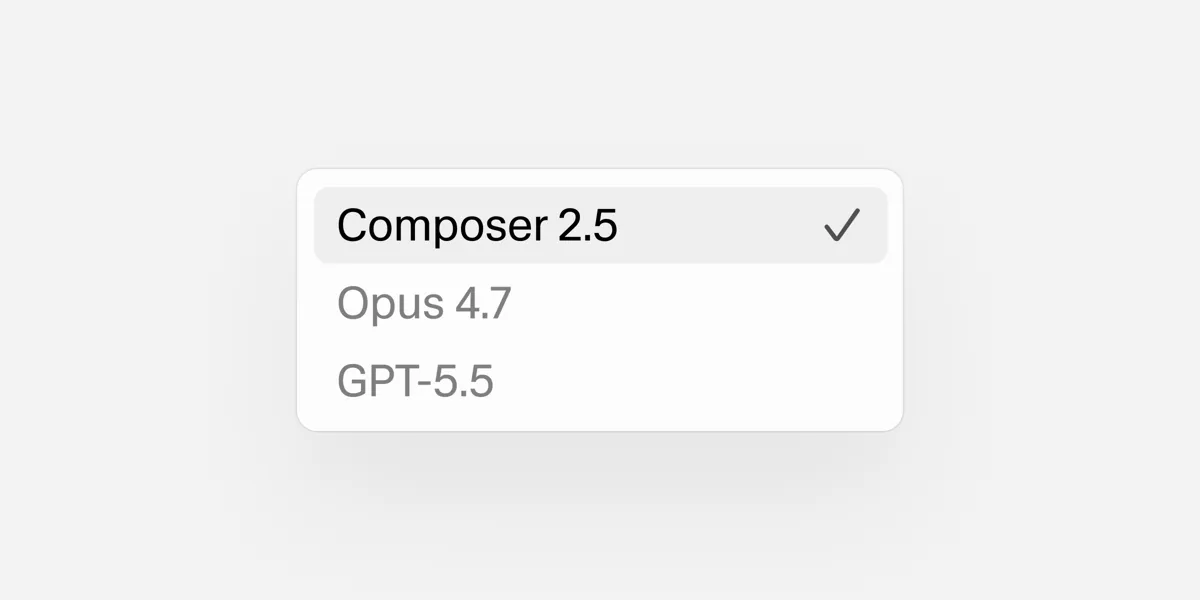
Cursor's catalog is broad too. The models docs list Grok 4.7 and Composer 2.5 as Cursor's own models, plus Claude, GPT models up to GPT-5.6, Gemini 4 variants, DeepSeek, GLM, Kimi and Meta's Muse. Max Mode, billed at the model's API rate plus 20%, now exists only on legacy request-based plans.
The difference is in the bill, not the list. In Cursor, a heavy Claude user on the new plans pays $30 a month or more for Premium, then pays for every Claude token on top. In OpenCode, the same user pays only for the tokens, or nothing extra if a ChatGPT or Copilot login covers the model they want.
Interface: terminal first vs editor first
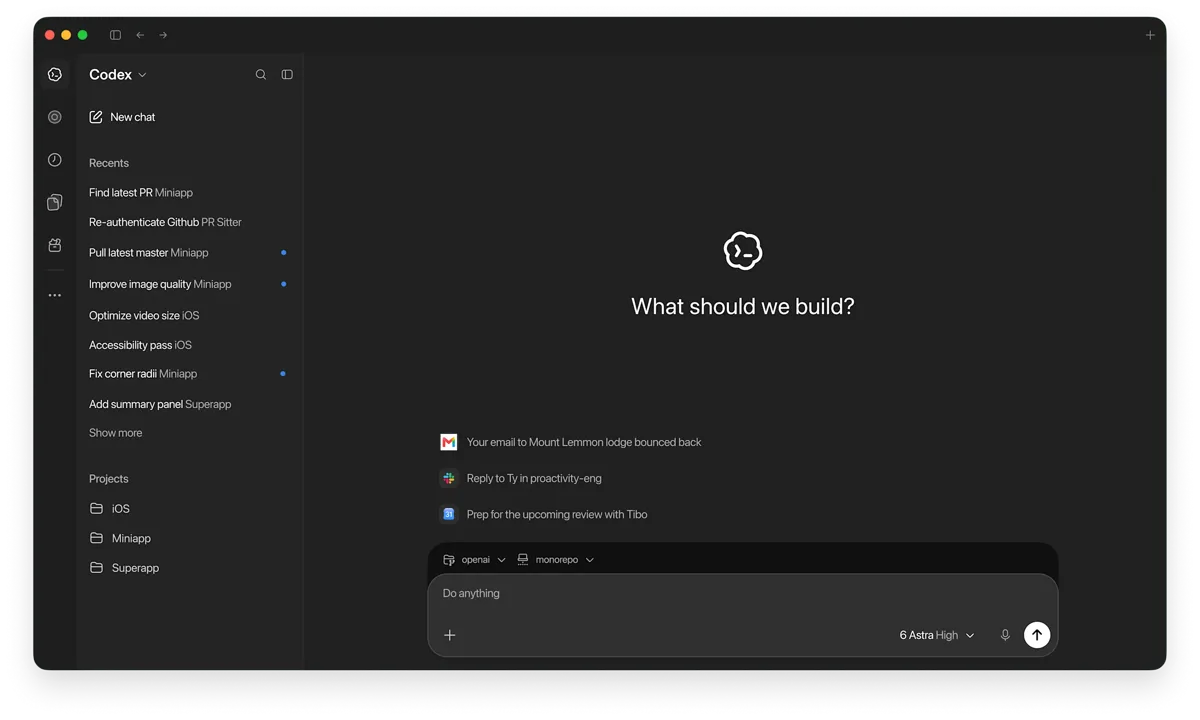
OpenCode started in the terminal and still treats it as home. It now also has a desktop app in beta for macOS, Windows and Linux, a mobile app and an SDK. opencode pair makes a one-time web link that expires in 5 minutes. The IDE extension works in VS Code, Cursor, Windsurf and VSCodium, and it runs OpenCode in the editor's built-in terminal and passes along your current selection.
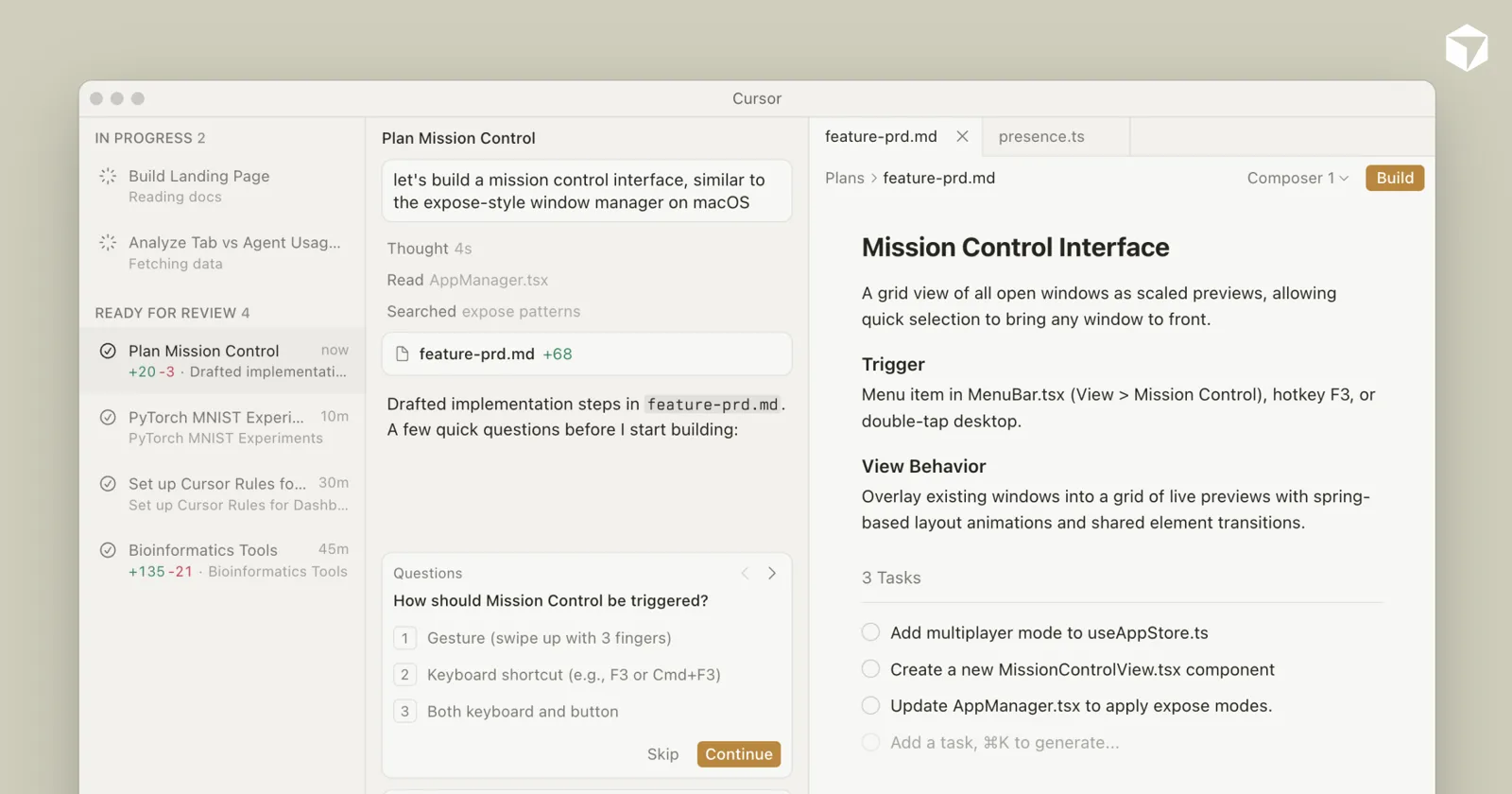
Cursor is an editor first. The desktop app runs on macOS 12 and later, Windows 10 and later, and Linux, per the quickstart. The Cursor CLI installs with one curl command and starts with agent. Cloud agents run in isolated VMs and can be started from the web, the iOS app, Slack, GitHub, Bitbucket, Linear or the API.
If you already work in a terminal or want to keep VS Code, OpenCode fits without changing your editor. If you want one app that does editing, review and background agents, Cursor is the more finished package.
Agents and customization
OpenCode ships two primary agents, per its agents docs. Build is the default, with full tool access. Plan explores and plans without editing project files. You switch between them with Tab. Two subagents run in child sessions: General for research and multi-step work, and Explore for read-only searching. You can write your own agents as Markdown files with a model, a prompt and permissions, globally or per project.
Cursor's CLI has three modes: Agent (all tools), Plan and Ask (read-only). Its bigger agent feature is the cloud: agents that clone your repo into a VM, build and test, and open pull requests. Those need Premium or higher, Teams, Enterprise or a legacy paid plan. Both tools take MCP servers and plugins, and Cursor adds rules and skills.
Which one to pick
Pick OpenCode if you want to control the model and the cost, already pay for ChatGPT or Copilot, want to read or change the source, or live in the terminal. Your total cost can be $0, and $10 a month buys a large set of open-weight models.
Pick Cursor if you want a full editor with cloud agents and AI code review included, and Grok or Composer as your main models is fine. If you mostly want Claude or GPT, count on $30 a month plus token costs, or stay on a legacy plan if you have one.
The two also work together. OpenCode's extension installs in Cursor, so you can keep Cursor as the editor and run OpenCode as the agent in its terminal.
For other matchups, see Claude Code vs OpenCode and Cursor vs Devin.
Frequently asked questions
Is OpenCode cheaper than Cursor?
Usually. OpenCode is free and can use free models or a ChatGPT Plus/Pro or GitHub Copilot login, and its Go plan costs $10 a month. Cursor's plans run from $8 to $200 a month as of November 17, 2026, and third-party models such as Claude cost extra on top.
Can I use OpenCode inside Cursor?
Yes. OpenCode's IDE extension works in VS Code, Cursor, Windsurf and VSCodium. It runs OpenCode in the editor's built-in terminal and shares your current selection.
Is the Cursor CLI like OpenCode?
Both are terminal coding agents with a planning mode. The Cursor CLI has Agent, Plan and Ask modes and uses your Cursor plan, while OpenCode is open source and connects to any of 200+ providers or local models.
Does Cursor still have the $20 Pro plan?
Cursor's docs call Pro, Pro+ and the old Ultra legacy plans that keep working for existing subscribers. New customers see The X Subscription tiers instead.
Sources
- Cursor pricingCursor
- Models and pricingCursor
- Cloud agentsCursor
- Cursor CLI overviewCursor
- Cursor quickstartCursor
- Introducing The X SubscriptionxAI
- OpenCodeOpenCode
- OpenCode GoOpenCode
- OpenCode docsOpenCode
- OpenCode agentsOpenCode
- OpenCode IDE extensionOpenCode
- OpenCode Console modelsOpenCode
- anomalyco/opencodeGitHub