Key takeaways
- OpenAI countersued Apple on November 27, 2026, the Financial Times reported, alleging trade secret theft.
- OpenAI says Apple is coercing and threatening suppliers that work on OpenAI's upcoming devices.
- Apple's original suit against OpenAI, filed in July 2026, is set for trial on July 19, 2027.
OpenAI has countersued Apple in the OpenAI Apple lawsuit over AI hardware, accusing the iPhone maker of stealing its trade secrets and threatening suppliers that build parts for OpenAI's upcoming devices. The Financial Times reported the filing on Friday, November 27, and 9to5Mac and Reuters followed with the same account. The claims are OpenAI's allegations; no court has ruled on them.
The case started as Apple's attack on OpenAI's hardware team. With the countersuit, OpenAI is arguing that Apple is the one playing dirty, and the fight now reaches the factories both companies need to build devices.
What OpenAI accuses Apple of
According to 9to5Mac's account of the FT report, OpenAI filed in a California court and makes three main claims:
- Apple took OpenAI's trade secrets.
- Apple is "coercing and threatening" suppliers that work with OpenAI on its devices, which would cut OpenAI off from the manufacturers it needs.
- Apple encouraged employees to keep corporate files on personal devices and cloud accounts.
OpenAI says Apple is trying to "compete unfairly by any means available." The reports do not name the court or give a case number, and neither company had commented publicly on the countersuit when this article was written.
How the fight started
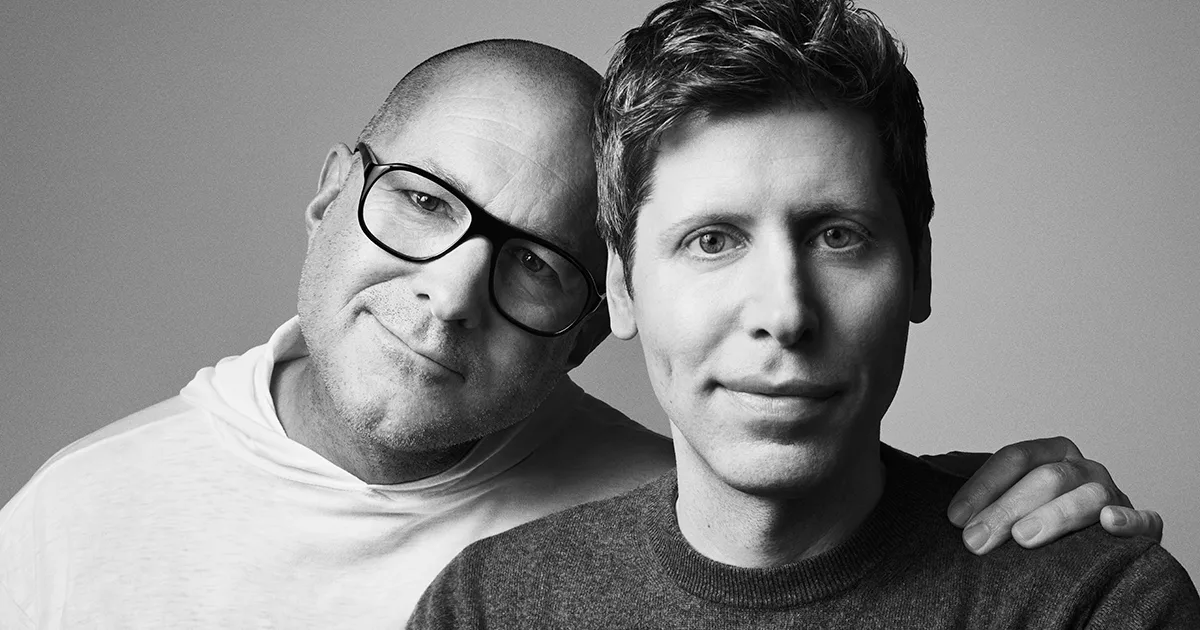
Apple sued OpenAI on July 10, 2026. The suit names OpenAI, io Products, the hardware company OpenAI bought from former Apple design chief Jony Ive, and two former Apple employees, Chang Liu and Tang Tan. Tan used to lead iPhone and Apple Watch product design. Apple says confidential engineering and hardware information was taken to help OpenAI build its own devices. OpenAI denies it and has argued that the suit is really meant to stop it from hiring Apple engineers.
The case has moved quickly since:
| Date | What happened |
|---|---|
| August 4, 2026 | Apple asked for a preliminary injunction to stop any further use of the alleged trade secrets |
| October 14, 2026 | OpenAI said an employee who went back to Apple sent more than 100 confidential files about unreleased OpenAI hardware to personal accounts |
| October 15, 2026 | Apple said its investigation found no OpenAI confidential information |
| October 27, 2026 | Apple won wider access to evidence in discovery |
| July 19, 2027 | Trial date set by the court |
The October claim about the 100 files is the seed of the countersuit. OpenAI said then that the files included device images, engineering data and supplier information.
Why suppliers matter here
Both companies need manufacturing partners to turn prototypes into products, and some suppliers work with both. If OpenAI can show that Apple pressured those suppliers to drop or slow its work, that is a claim about competition, not only about stolen files, and it could shape how fast OpenAI ships its first devices.
That is still a big if. The countersuit is new, the filing itself has not been made public in the reports, and Apple has not answered it.
What to watch
Apple will have to respond to the counterclaims in court. The trial on Apple's original claims is set for July 19, 2027. The first public copy of OpenAI's filing will show which suppliers it names and what evidence it offers.
Sources
- OpenAI countersues Apple (report)Financial Times
- OpenAI countersues Apple, alleging trade secret theft and supplier threats9to5Mac
- OpenAI countersues Apple for stealing trade secrets, FT reportsReuters
- Apple sues OpenAI over trade secret theft9to5Mac
- OpenAI alleges ex-employee took highly confidential device files to Apple9to5Mac
- Apple and OpenAI trade secrets lawsuit now has an official trial date9to5Mac