Key takeaways
- Kioxia shares closed at ¥7,762 in Tokyo on November 26, up 12.6%, after touching ¥7,875 during the day.
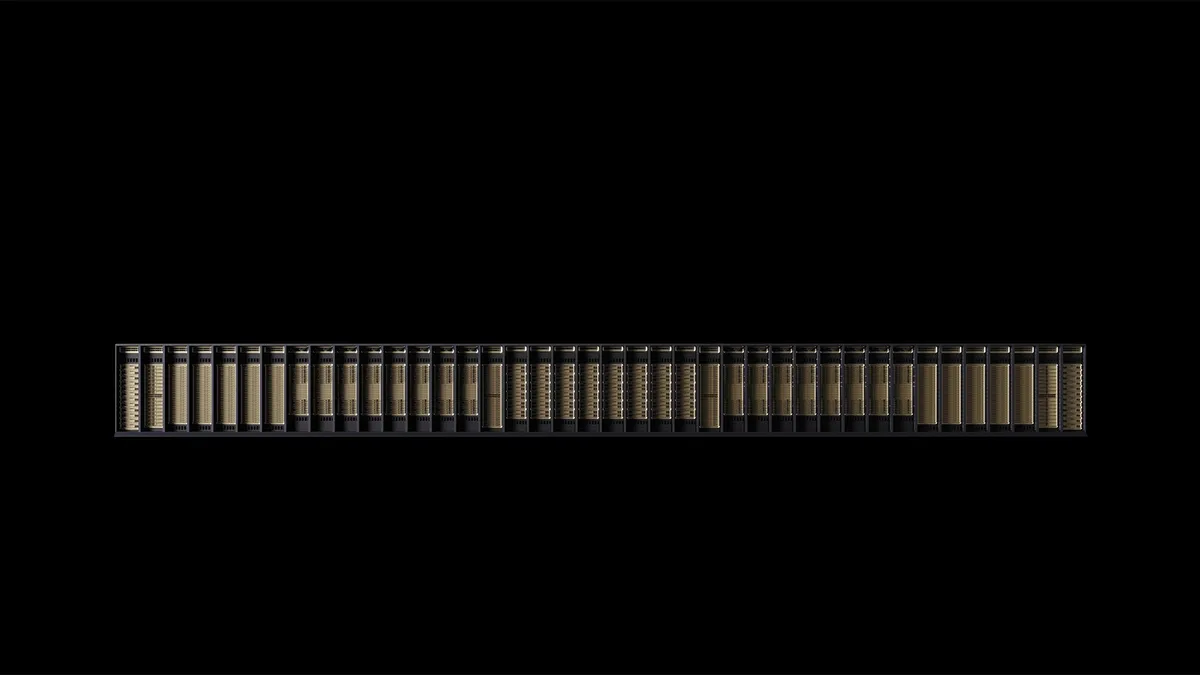
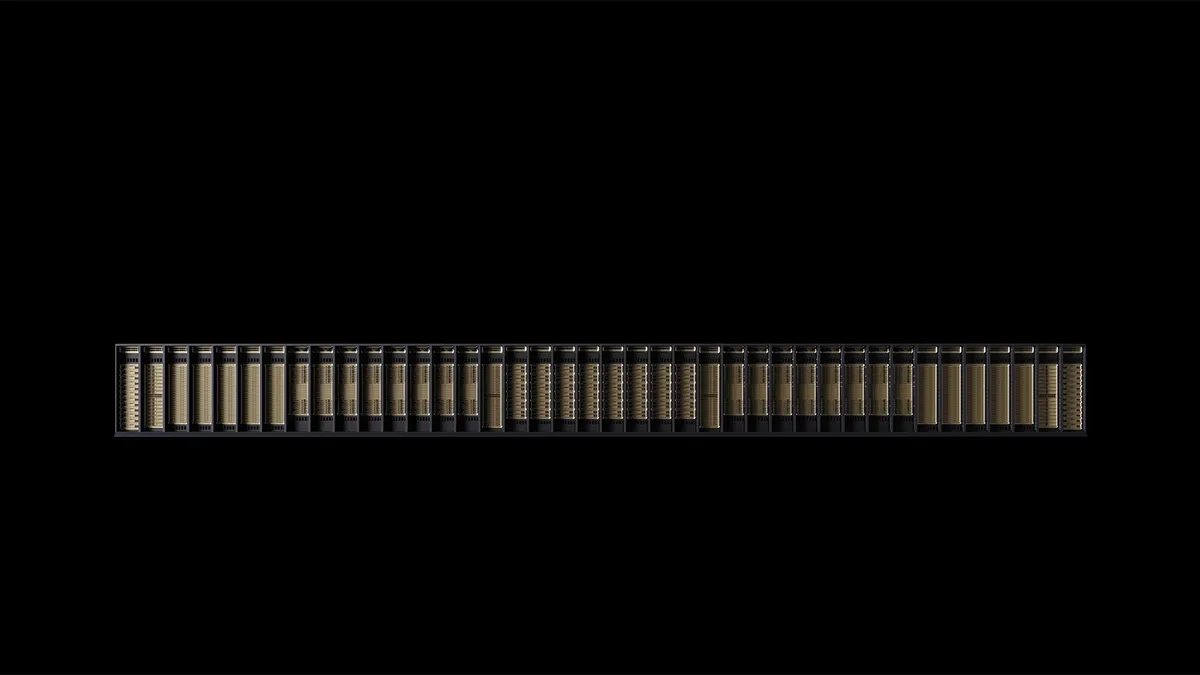
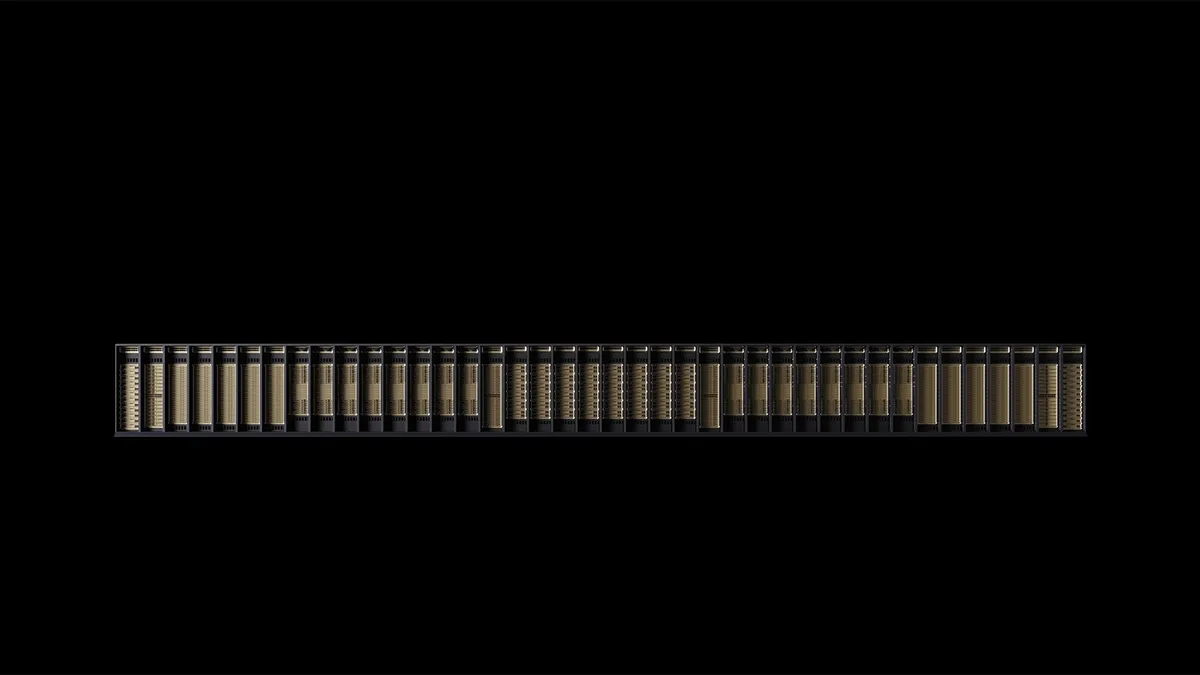
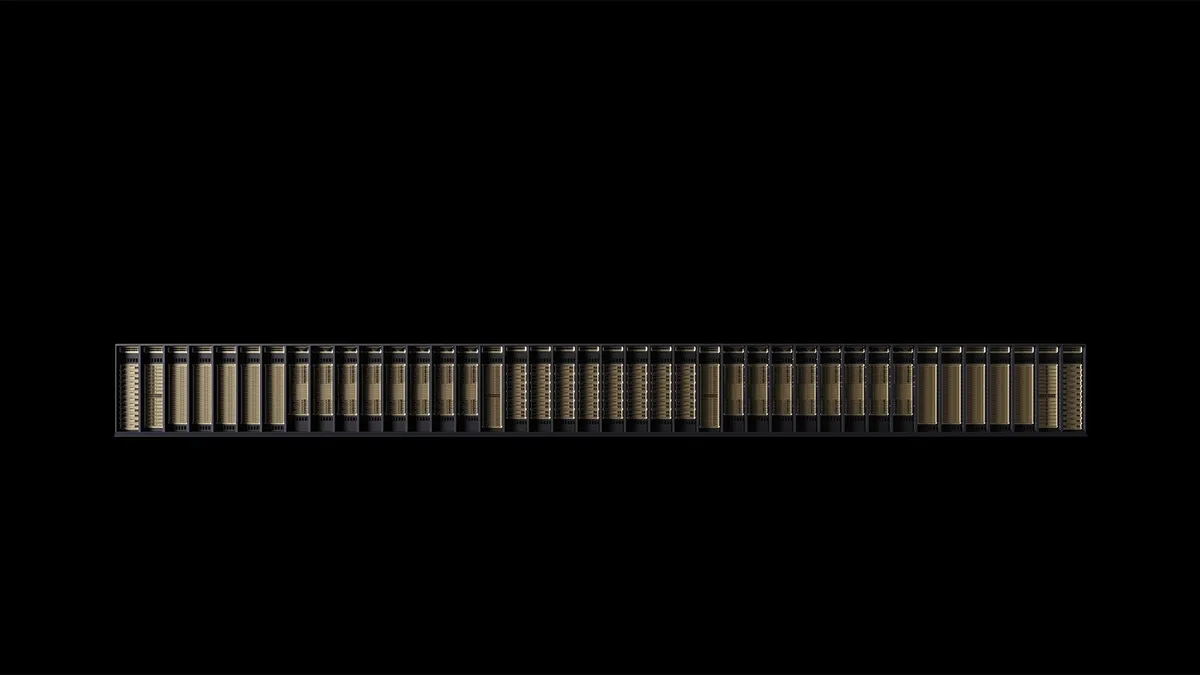
- Kioxia and Nvidia showed a GB200 NVL72 rack with 144 Kioxia SSDs, about 1.1 PB, used as extended GPU memory through Nvidia's SCADA software.
- It is a proof of concept with no product, price or date, and the companies are still evaluating its performance.
Kioxia stock closed at ¥7,762 in Tokyo on Thursday, November 26, up 12.6% from ¥6,895 the day before, according to Yahoo Finance data. Earlier in the session it was up as much as 14.2%, at ¥7,875, Investing.com reported. The jump came hours after the memory maker announced a project with Nvidia to use its SSDs as an extension of GPU memory.
The news matters because memory is one of the tightest limits on AI hardware. A GPU's own high-bandwidth memory is fast but small and expensive. If flash storage can stand in for part of it, the SSDs inside every AI rack become more valuable, and Kioxia is one of the companies that makes them.
What Kioxia and Nvidia showed
The two companies built a proof of concept, not a product. They took an Nvidia GB200 NVL72 rack with 18 server nodes and fitted it with 144 Kioxia XD8 Series SSDs of 7.68 TB each, eight per node. That adds up to about 1.1 petabytes of raw flash, or nearly 60 TB of extended memory per node.
On top of the drives runs Nvidia's SCADA, short for Scaled Accelerated Data Access, a software library that lets the GPUs read data from NVMe SSDs in small 512-byte pieces, as if it were slower memory. Kioxia says the setup shows the potential to handle a database of 2 trillion vectors. Vectors are lists of numbers that AI systems use to search text, images and other data by meaning.
The release names two uses: large vector databases, the kind that power AI search and retrieval, and big datasets for graph neural networks, models that learn from networks of connected items.
What is still unproven
Kioxia's release says the companies are still evaluating the feasibility and performance of SCADA and Nvidia's wider Storage-Next design. It gives no product, price or date. The 2-trillion-vector figure is a potential capacity, not a measured speed, and no outside group has tested it.
The release also leaves out how fast such a system answers queries compared with one that keeps everything in GPU memory. That gap is what will decide whether buyers pay for it.
Why Kioxia stock moved so much
Investors read the demo as Nvidia choosing Kioxia drives for a design it is promoting, which Investing.com described as a design win. The rest of the market helped too: Japan's Nikkei 225 rose about 1.6% the same day as AI and chip stocks rebounded after a weak November, Investing.com reported.
The rally made up for a bad Wednesday. Kioxia closed at ¥6,895 on November 25, down 14% from ¥8,034 on November 24, as chip stocks sold off. Thursday's close left the shares about 6% below their November 19 level of ¥8,271. US markets were shut for Thanksgiving on November 26, so Kioxia's American rivals, such as SanDisk and Micron, had not traded on the news yet.
Kioxia trades on the Tokyo Stock Exchange under the code 285A. For more on why GPU memory is such a constraint, see our explainer on AI chips.
What to watch
Kioxia also announced its GP2 Series SSD, built for direct GPU access, on the same day, according to a Jiji Press listing of its releases. The next signal is whether Nvidia adds SCADA and Storage-Next to a shipping product, and which other drive makers it brings in.
Sources
- Kioxia and NVIDIA Collaborate to Expand Effective High-Bandwidth Memory Capacity with SSDsKioxia via Business Wire
- Kioxia Holdings (285A.T) quoteYahoo Finance
- Why is Kioxia stock surging today?Investing.com
- Kioxia and NVIDIA Collaborate to Expand Effective High-Bandwidth Memory Capacity with SSDs (Jiji Press copy)Jiji Press