Key takeaways
- Codex comes with every ChatGPT plan from Free to Pro at $500 a month, while Antigravity is free and scales with Google AI Pro at $19.99 and Ultra at $99.99 or $199.99, as of November 23, 2026.
- Antigravity's paid plans include Claude Sonnet 5.5 and Opus 5.5 next to Gemini 4 models, while Codex runs only OpenAI models such as GPT-6.2 Astra and Sol.
- On the Artificial Analysis Coding Agent Index, Antigravity CLI with Gemini 4 Neon scores 58.6 and Codex with GPT-6.2 Astra scores about 53.5.
Codex vs Antigravity comes down to whose models you want and how much you need to know about your limits. OpenAI's Codex runs GPT models and comes with every ChatGPT plan, from Free to Pro at $100, $200 or $500 a month. Google's Antigravity runs Gemini plus Claude models, is free to start, and scales through Google AI Pro at $19.99 and Ultra at $99.99 or $199.99 a month, all prices as of November 23, 2026, according to OpenAI's Codex pricing page and Google's Antigravity pricing page.
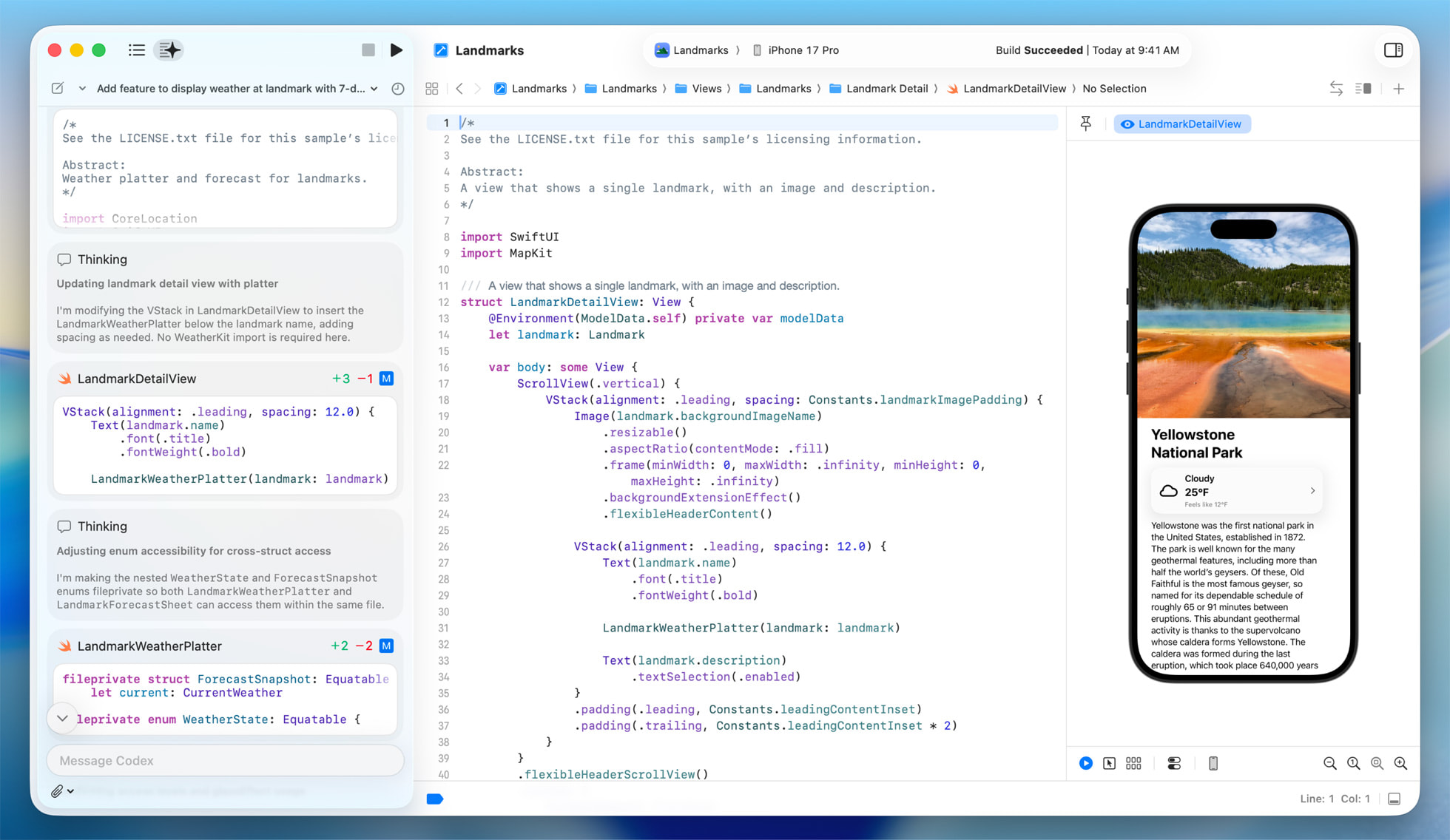
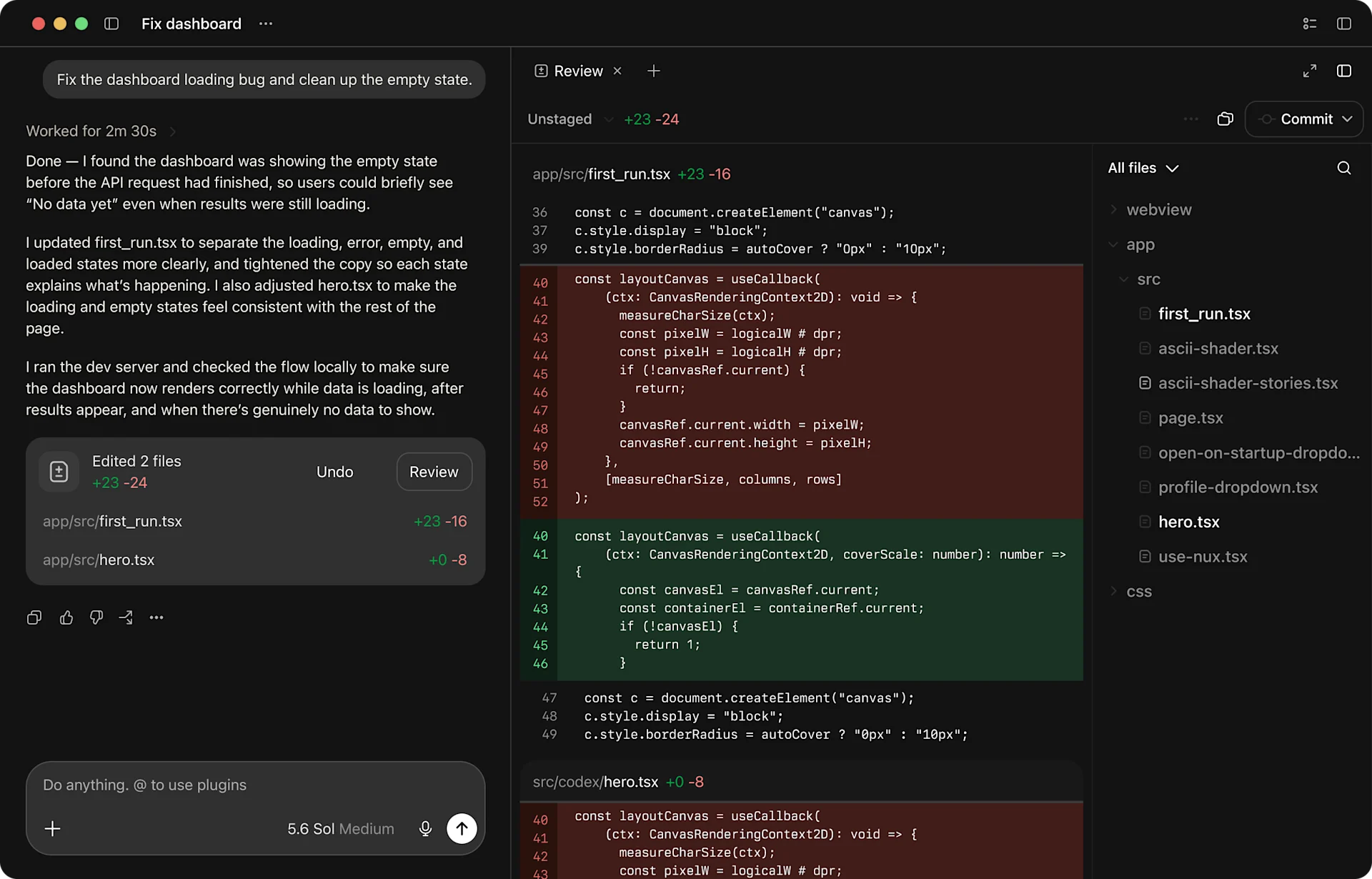
Both are coding agents: they read your project, edit files, run commands and tests, and show you the changes to review. Both work from a desktop app, a terminal and your code editor, and both can run tasks in the cloud. They differ on models, prices, how openly each states its limits, and one independent benchmark.
This comparison is based on the products' docs, pricing pages and published benchmark results, read on November 23, 2026. We did not test either product hands-on.
Codex vs Antigravity at a glance
| OpenAI Codex | Google Antigravity | |
|---|---|---|
| Maker | OpenAI | |
| Free tier | Yes, on ChatGPT Free ($0) | Yes, with a personal Google account ($0) |
| Entry paid plan | ChatGPT Go, $8 a month; Plus, $20 | Google AI Pro, $19.99 a month |
| Top individual plans | Pro at $100, $200 or $500 a month | Google AI Ultra at $99.99 (5x Pro) or $199.99 (20x Pro) |
| Teams | Business $20 per user a month billed annually, $25 monthly; Enterprise and Edu by quote | Through Google Cloud: Gemini Enterprise from $30 per seat a month, or pay as you go |
| Desktop | ChatGPT desktop app (Codex mode) | Antigravity App, plus a web app |
| Terminal | Codex CLI (codex) |
Antigravity CLI (agy) |
| Editors | Codex IDE extension | Extensions for VS Code, Visual Studio, JetBrains, Android Studio, Zed, Xcode, Eclipse, others via ACP |
| Cloud agents | Codex Cloud, Plus and higher | Remote agents, paid Pro and Ultra |
| Programmatic | Codex SDK, codex exec, GitHub Action |
Python SDK, headless CLI mode |
| Main models | GPT-6.2 Astra, GPT-6.2 Sol, GPT-6.1 Sol and Terra, GPT-6 Luna | Gemini 4 Neon, Carbon, Argon, Hydrogen, Gemini 3.8 Flash |
| Other vendors' models | No | Claude Sonnet 5.5 and Opus 5.5 on paid Pro and Ultra |
| Published usage numbers | Estimated messages per five hours, by model | None; Google describes tiers only |
| Pay past your limit | ChatGPT credits, or an API key at API rates | AI credits on Pro and Ultra; no own API key |
Prices as of November 23, 2026, in US dollars, before tax.
What each one is
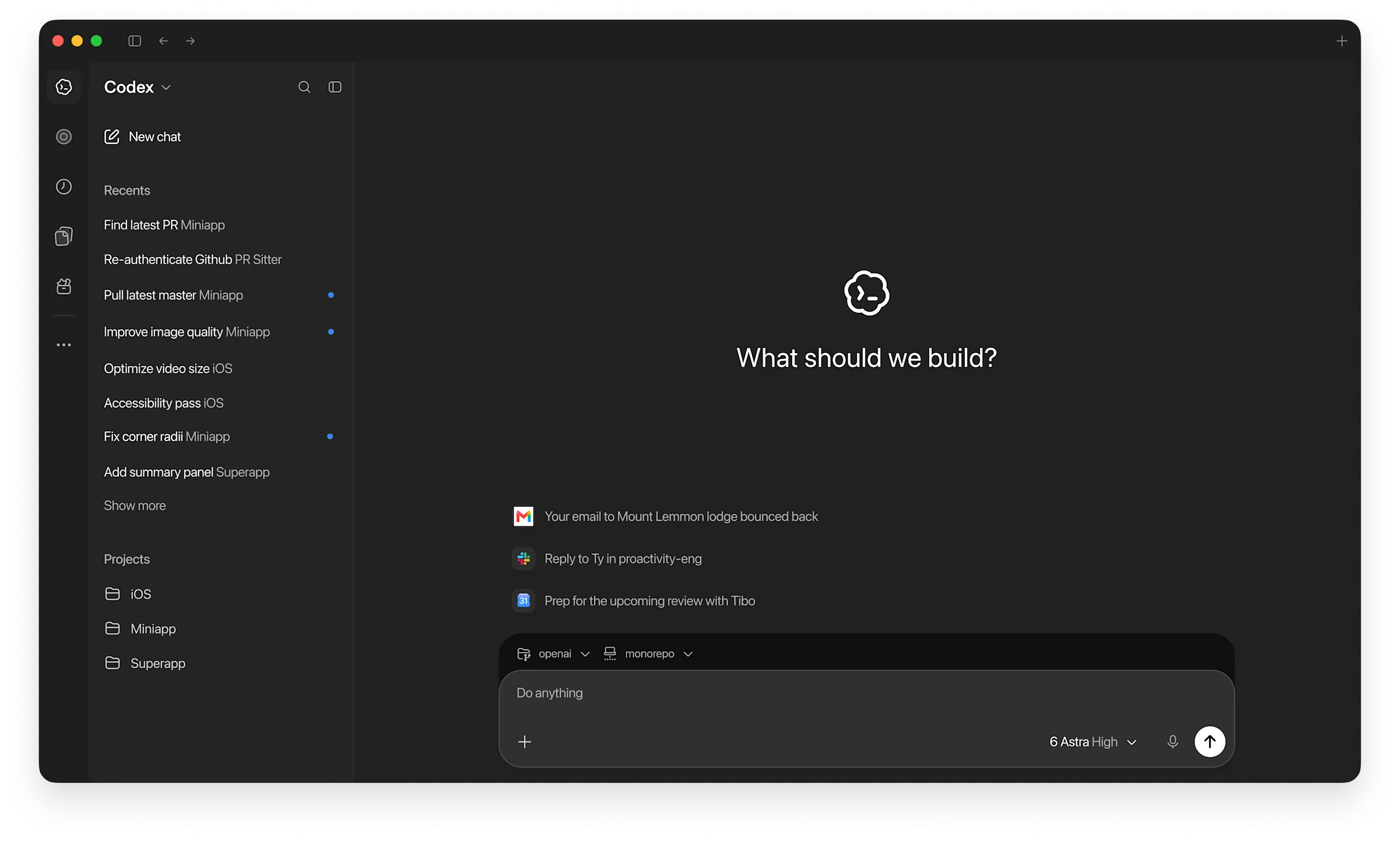
Codex is OpenAI's coding agent. OpenAI's help center says Codex "is included across ChatGPT plans, including Free and Go." You sign in with your ChatGPT account in the desktop app, the CLI, the IDE extension or the web. Codex Cloud runs tasks on OpenAI-managed computers and needs Plus or higher.
Antigravity is what Google calls an agentic development platform. Its overview docs list four surfaces: a desktop app for running and inspecting agents, the agy terminal client, editor extensions, and a Python SDK for building your own agents. Since November 2026 it also has remote agents, which run conversations in the cloud and can be opened at antigravity.google.com/remote. The changelog says remote agents finished rolling out on November 9 to Ultra subscribers and paid Pro subscribers.
How much Codex and Antigravity cost
OpenAI sells Codex as part of ChatGPT. As of November 23, 2026, the Codex pricing page lists:
- Free, $0: quick coding tasks on GPT-6 Luna in the desktop app, subject to rollout.
- Go, $8 a month: lightweight coding tasks, also on GPT-6 Luna.
- Plus, $20 a month: Codex on the web, CLI, IDE extension and iOS, cloud code review and Slack, and the GPT-6.1 and GPT-6.2 models.
- Pro, $100, $200 or $500 a month: larger allowances and, for now, no five-hour limit. Ultrafast mode comes with Pro $500.
- Business: $20 per user a month billed annually for two or more users, $25 billed monthly.
- API key: billed at API rates, with no cloud features.
Google has no separate Antigravity subscription. The free tier needs only a personal Google account. Higher limits come from Google AI plans: Pro at $19.99 a month gives entry-level rate limits in Antigravity, and Ultra costs $99.99 for 5x Pro usage or $199.99 for 20x. Google AI Plus at $4.99 gets the same Antigravity models as the free tier. Pro and Ultra need a personal Google account; Google Workspace accounts go through Gemini Enterprise, which starts at $30 per seat a month, or pay as you go with a $0 seat fee. We break down every tier in Google Antigravity pricing.
At the entry point both cost about $20 a month. At the top, Codex goes to $500 and Antigravity stops at $199.99.
Which models you get
Codex runs OpenAI models only. OpenAI launched GPT-6.2 Astra and GPT-6.2 Sol on November 17, 2026, for Plus, Pro, Business, Enterprise and Edu. Its models page pitches Astra for demanding work and Sol for everyday coding. In Codex, Astra starts with a 272,000-token context window and Sol with 500,000, and each can be raised to 1 million tokens.
Antigravity mixes vendors. Its models docs show:
- Free and Google AI Plus: Gemini 3.8 Flash, Claude Sonnet 4.6, Claude Opus 4.6 and GPT-OSS-120b. Google will remove the last three on November 30, 2026, leaving Gemini 3.8 Flash.
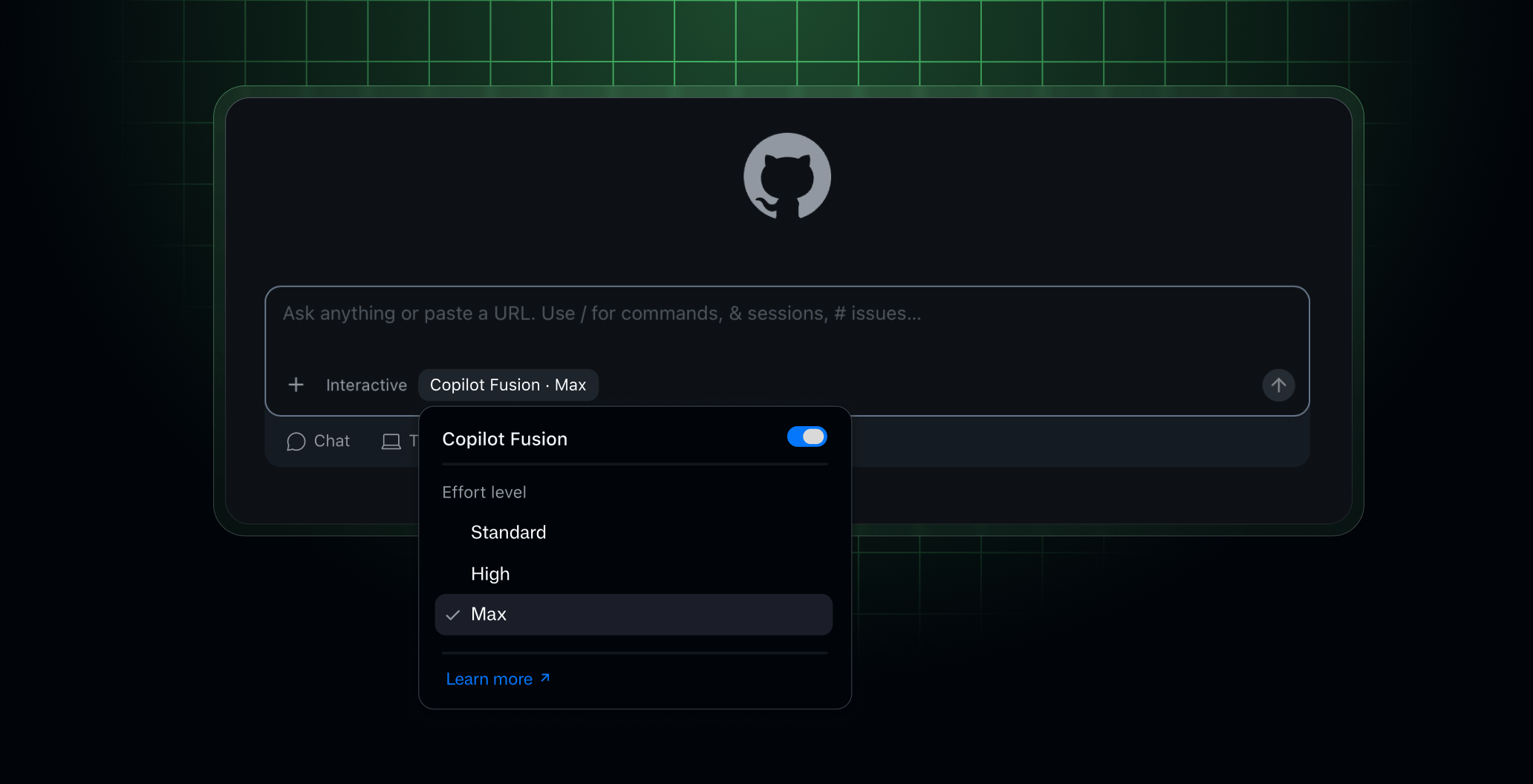
- Google AI Pro (paid): adds Gemini 4 Neon, Argon and Hydrogen, Orchestrator, and Claude Sonnet 5.5 and Opus 5.5. Pro trials get some of these, but not the Claude 5.5 models or Hydrogen.
- Google AI Ultra: everything in Pro plus Gemini 4 Carbon, which Google calls its strongest model for long-horizon software work.
Gemini 4 Neon became the default on November 18. Google lists a context window of up to 512,000 tokens for it in Antigravity. Orchestrator pairs a planning model with a faster executor, Gemini 4 Hydrogen, in one conversation.
That is the clearest product difference. A $19.99 Antigravity plan includes Anthropic's Claude Opus 5.5. A $20 Codex plan does not include any non-OpenAI model.
Usage limits
OpenAI publishes estimates. As of November 23, 2026, it says a Plus or standard Business seat gets roughly these local messages per five hours:
| Model in Codex | Messages per five hours (Plus) |
|---|---|
| GPT-6.2 Astra | 6 to 50 |
| GPT-6.2 Sol | 17 to 180 |
| GPT-6.1 Sol | 15 to 160 |
| GPT-6.1 Terra | 35 to 285 |
| GPT-6 Luna | 350 to 3,000 |
OpenAI calls these estimates, says weekly limits may also apply, and notes that Codex shares its allowance with ChatGPT Work. Pro has no five-hour limit for now. Past the limit, Plus and Pro users can buy credits or switch to an API key.
Google publishes no numbers. The Antigravity plans page says free accounts get "a meaningful quota, refreshed weekly." Pro gets a quota refreshed every five hours until a weekly limit, and Ultra gets the highest quota and weekly limits. Google says limits track how much work the agent does. Pro and Ultra users can buy AI credits at Gemini Enterprise consumption rates. Your own API key is not supported.
Codex is easier to budget for. With Antigravity you learn your limit from the usage panel in Settings.
Published benchmarks
The most direct comparison is the Artificial Analysis Coding Agent Index, which tests whole agents, the tool and the model together, on FrontierCode 2.0, Terminal-Bench 4.1 and SWE-Atlas-QnA. In the results we read on November 23, 2026:
| Agent and model | FrontierCode 2.0 | Terminal-Bench 4.1 | SWE-Atlas-QnA | Index |
|---|---|---|---|---|
| Antigravity CLI, Gemini 4 Neon (xhigh) | 43.0 | 65.2 | 67.7 | 58.6 |
| Antigravity CLI, Gemini 4 Carbon (high) | 38.0 | 64.6 | 63.7 | 55.5 |
| Codex, GPT-6.2 Astra (max) | 41.7 | 63.6 | 55.1 | 53.5 |
| Codex, GPT-6.2 Sol (xhigh) | 40.4 | 57.6 | 51.3 | 49.8 |
The index is the plain average of the three scores. Antigravity with Neon ranks first of all agents tested. The gap with Codex comes mostly from SWE-Atlas-QnA, which tests whether an agent can explain how a codebase works. Artificial Analysis wrote that GPT-6.2 Astra was flat with GPT-6 Astra on this index, and that GPT-6.2 Sol dropped 3 points from GPT-6.1 Sol because it more often left key facts out of its answers. On cost, Artificial Analysis says Neon in Antigravity averaged $6.86 per task at API prices.
On the broader Artificial Analysis Intelligence Index, OpenAI is ahead. GPT-6.2 Astra ranks second, behind Anthropic's Claude Fable 5.2, and Gemini 4 Neon ranks third with 61. OpenAI's own GPT-6.2 announcement says Astra set a new high on Terminal-Bench-Science 0.1 and that Sol came within 0.5 points of Astra on FrontierCode 2.0 at about one-fifth of the cost.
Neon is five days old and GPT-6.2 six, so treat these scores as a snapshot.
Which one fits
Antigravity looks like the better deal on paper for most individual developers in November 2026. Its free tier is usable, $19.99 buys both Gemini 4 and Claude Opus 5.5, and its agent leads the one independent coding-agent benchmark that tests both tools. What you give up is any published number for your limits.
Codex fits better if you already pay for ChatGPT, want OpenAI's models, need a stated allowance per five hours, or want the option to run past your limit on an API key. For related comparisons, see ChatGPT vs Codex and Cursor vs Antigravity.
Google's free-tier model lineup changes on November 30, when the Claude 4.6 models and GPT-OSS-120b leave. Check both pricing pages before you subscribe.
Frequently asked questions
Is Antigravity better than Codex?
On the Artificial Analysis Coding Agent Index read on November 23, 2026, Antigravity with Gemini 4 Neon scores 58.6 against about 53.5 for Codex with GPT-6.2 Astra. OpenAI's GPT-6.2 Astra ranks higher than Neon on the broader Artificial Analysis Intelligence Index, so the answer depends on the task.
Is Codex free?
Yes. Codex is included in ChatGPT Free for quick coding tasks on GPT-6 Luna, subject to rollout. Codex Cloud and the GPT-6.2 models need Plus at $20 a month or higher.
Can I use Claude in Antigravity?
Yes. Paid Google AI Pro and Ultra plans include Claude Sonnet 5.5 and Claude Opus 5.5. The free tier's Claude 4.6 models are being removed on November 30, 2026.
Does Antigravity have a CLI like Codex?
Yes. The Antigravity CLI runs as agy in the terminal, and Codex has its own codex CLI. Both also have editor extensions, a desktop app and cloud agents.
Sources
- Codex pricingOpenAI
- Antigravity pricingGoogle
- Using Codex with your ChatGPT planOpenAI
- Models for ChatGPT Work and CodexOpenAI
- Codex CLIOpenAI
- Introducing GPT-6.2 Astra and SolOpenAI
- Antigravity plansGoogle
- Antigravity modelsGoogle
- Antigravity overviewGoogle
- Antigravity changelogGoogle
- Gemini 4 Neon in Google AntigravityGoogle
- Google AI plansGoogle
- Coding Agent IndexArtificial Analysis
- OpenAI has the #2 model in the Intelligence Index with GPT-6.2 Astra and GPT-6.2 SolArtificial Analysis
- Google continues to accelerate its release cadence with Gemini 4 NeonArtificial Analysis