Key takeaways
- Bell says an unknown party accessed an internal system holding customer personal information on November 17, 2026.
- Names, addresses, phone numbers, emails, account details and last-payment data may be exposed; Bell says card and bank data were not.
- A Bell spokesperson called the intruder an 'agentic threat actor' but has not explained what role AI played.
Bell, the Canadian phone and internet company, says someone broke into one of its internal systems on November 17 and took customer information. In a cyber incident notice and emails to customers on Monday, November 23, Bell said the data includes names, addresses, phone numbers, email addresses and account details. A Bell spokesperson described the intruder as an "agentic threat actor."
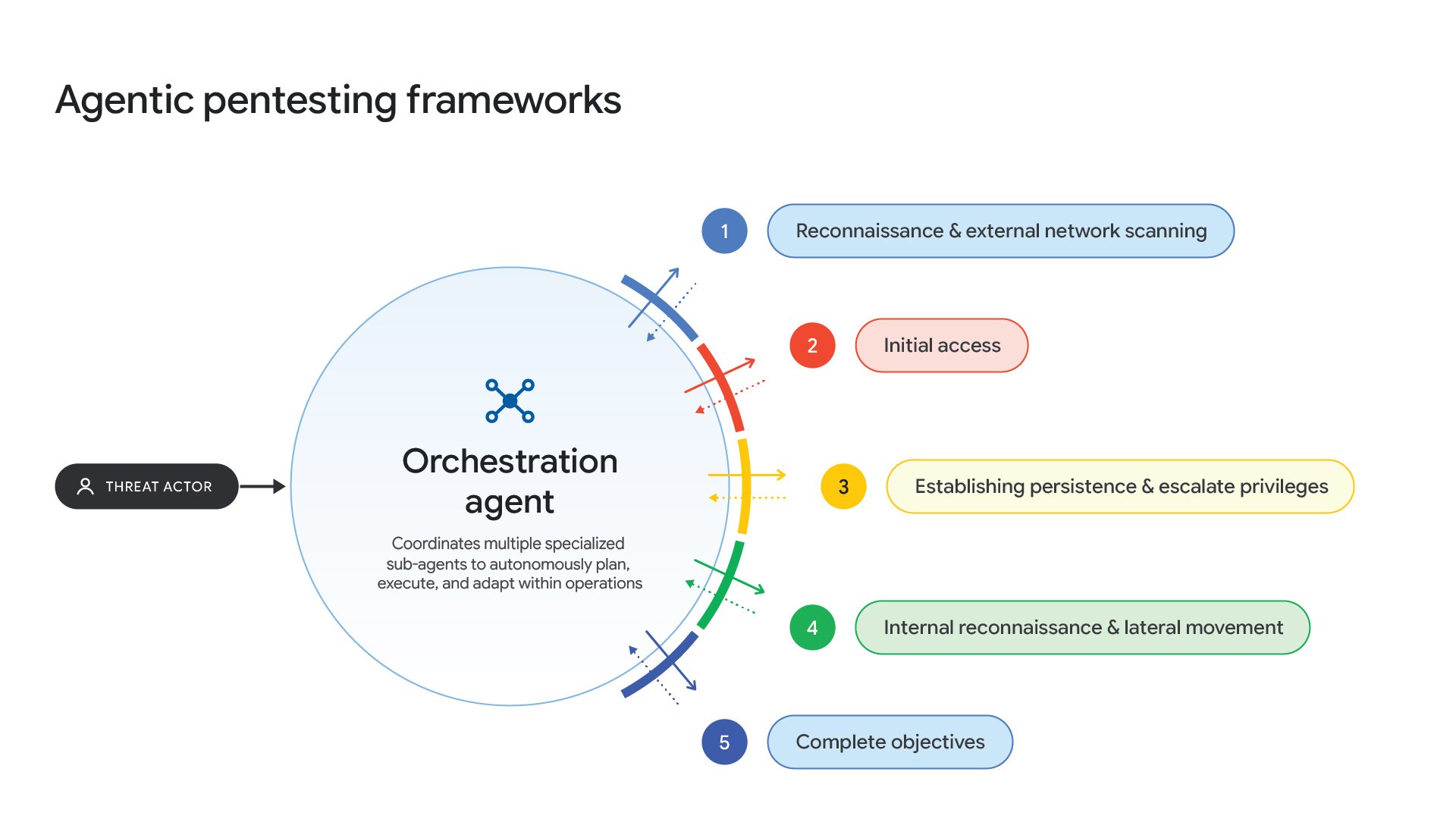
That phrase is what makes this breach unusual. "Agentic" usually means an AI system that carries out tasks on its own. If Bell means the attackers used AI agents to run parts of the intrusion, it is a rare case of a large company saying so about an attack on its own systems. Bell hasn't explained what it meant.
What Bell says was taken
According to Bell's notice, the system held "certain customer personal information." What may have been exposed:
- contact name, mailing address, phone numbers and email address
- account number, product information and, for business customers, the business name
- the date and amount of the last payment
Bell says credit card numbers and bank account information were not affected. It hasn't said how many customers are involved.
Bell spokesperson Ellen Murphy told The Canadian Press, in a report carried by BNN Bloomberg, that the breach covers residential and business customers of Bell, Bell Aliant, Bell MTS, Virgin Plus and Lucky Mobile. That's why searches for "cyber incident" jumped in Canada on Monday, as customers of those brands got the email.
What Bell has done
Bell says it "immediately removed the threat actor and initiated emergency protocols," and that customer services weren't disrupted. It has called in the RCMP's cybercrime unit and says it will tell other regulators as required. Murphy said Bell also shared "indicators of compromise and hunting elements," the technical traces other companies use to look for the same attacker, with its enterprise customers and the Canadian Centre for Cyber Security.
A separate problem hit Bell MTS email in Manitoba the same week. Bell says that came from an attack on an outside email provider and is unrelated, according to the same report.
What customers should do
The stolen details are the kind used to make scam calls, texts and emails look real. Bell's advice:
- Be wary of anyone asking for personal information, including people claiming to be from Bell. Bell says it "will never contact you to ask for bank account information, passwords or PINs."
- Don't click links or open attachments in suspicious emails or texts.
- Check your accounts regularly for activity you don't recognize.
What isn't known yet
Bell hasn't said how the attacker got in, who it was, how many people are affected, or whether the data has turned up for sale. It also hasn't said what part AI played, if any. Bell says it will update bell.ca/cybernotice as it learns more. Our explainer on what zero trust is covers the security model many companies use to limit what an intruder can reach once inside.
Sources
- Cyber incident noticeBell
- Bell investigating agentic cyberattack that exposed customer information last weekBNN Bloomberg / The Canadian Press
- Telecom giant Bell says agentic threat actor accessed customer informationBetaKit