Key takeaways
- The National Governors Association published bipartisan AI principles on November 22, 2026.
- They ask Congress to regulate frontier models with independent audits and mandatory reporting of security breaches and safety incidents.
- States would keep consumer, worker and child protection, and any federal preemption of state laws should be approached cautiously.
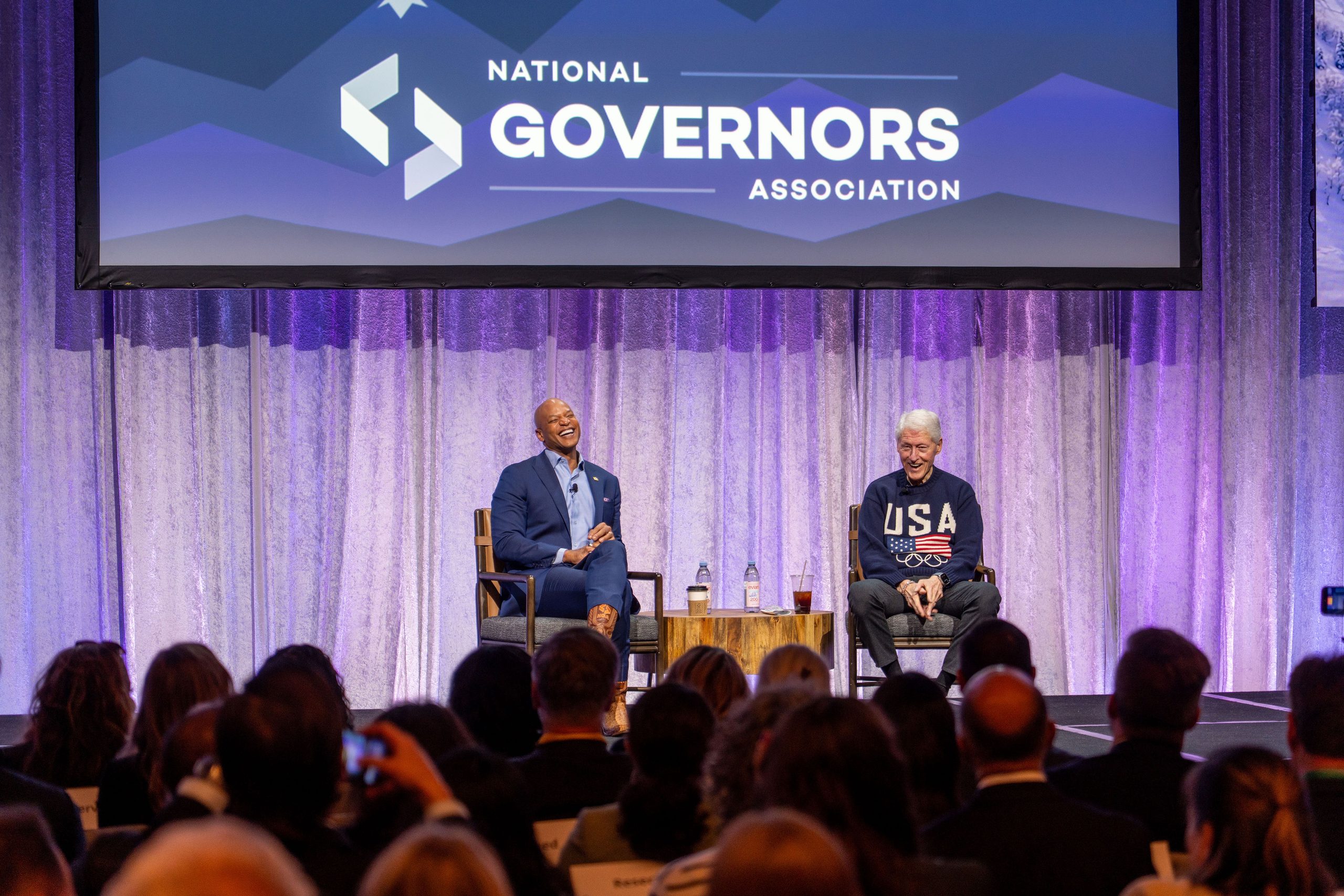
The National Governors Association published a set of AI principles on November 22, asking Congress to regulate the most powerful AI models while leaving most everyday AI rules to the states. The statement comes from the NGA's bipartisan Governors Council to Secure American AI Dominance, led by Maryland Gov. Wes Moore, Indiana Gov. Mike Braun, North Carolina Gov. Josh Stein and Utah Gov. Spencer Cox.
The split is the point. Under the principles document, Washington would write a risk-based framework for frontier models, meaning the most advanced general-purpose models "whose risks and reach are national in scale." Those models would be evaluated or audited by independent experts, and their developers would have to report security breaches and significant safety incidents to federal authorities and to the affected states. The federal government would also set standards for AI threats to critical infrastructure, such as financial systems, cybersecurity and chemical, biological and nuclear security.
States would keep the job of handling harms to people. The document lists 14 areas for them, including consumer and worker protection, children's safety around chatbots and companion apps, scams aimed at older adults, and safeguards for automated decisions in housing, hiring, lending and insurance.
For AI companies, the most important line is about preemption, the idea of one federal law overriding state AI laws. The governors don't rule it out, but say any attempt "should be approached cautiously" with input from a cross-section of states.
The principles are recommendations, not law. The NGA says it will keep working with governors' offices on common definitions and standards, and aims to shape the AI framework the incoming Congress writes. States are already acting on their own: Arizona has opened a criminal probe into OpenAI over AI agents in banking.
Sources
- Governors Call for AI ActionNational Governors Association
- Federal and State Roles in AI Regulation: Statement of PrinciplesNational Governors Association
