Key takeaways
- Google began rolling out Genie 4 to eligible Google AI Ultra subscribers in Project Genie on November 18, 2026.
- Genie 4 generates sound with its visuals and lets users change a world mid-session with a typed prompt.
- Genie 3 sessions now run up to 3 minutes, up from 60 seconds, and Google AI Pro users can join a waitlist.
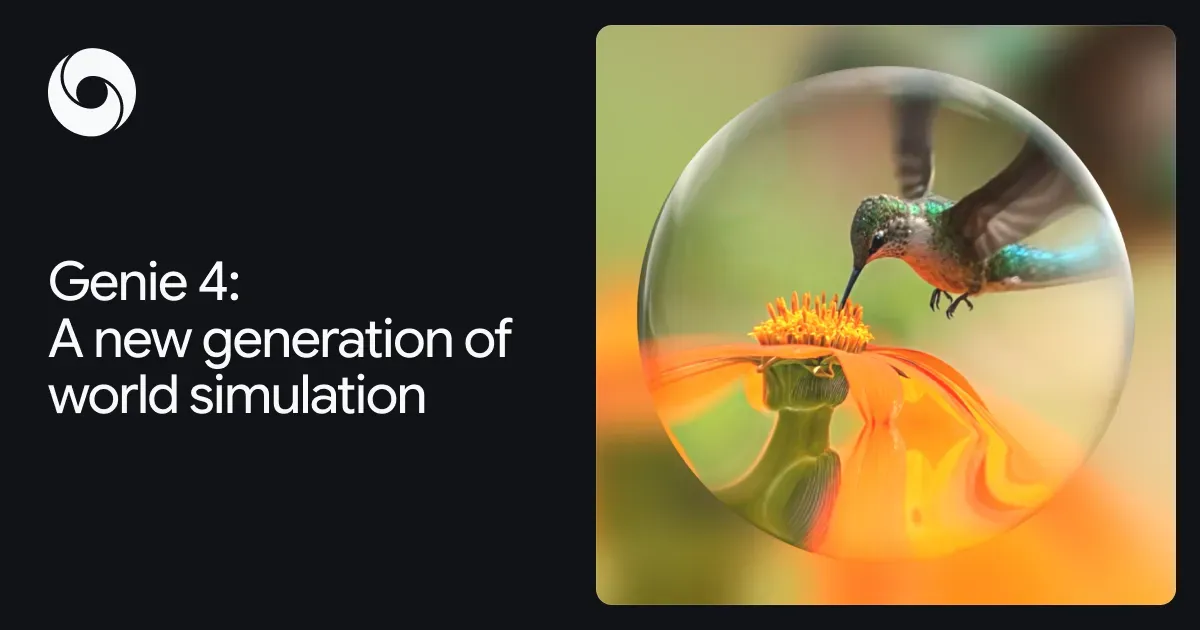
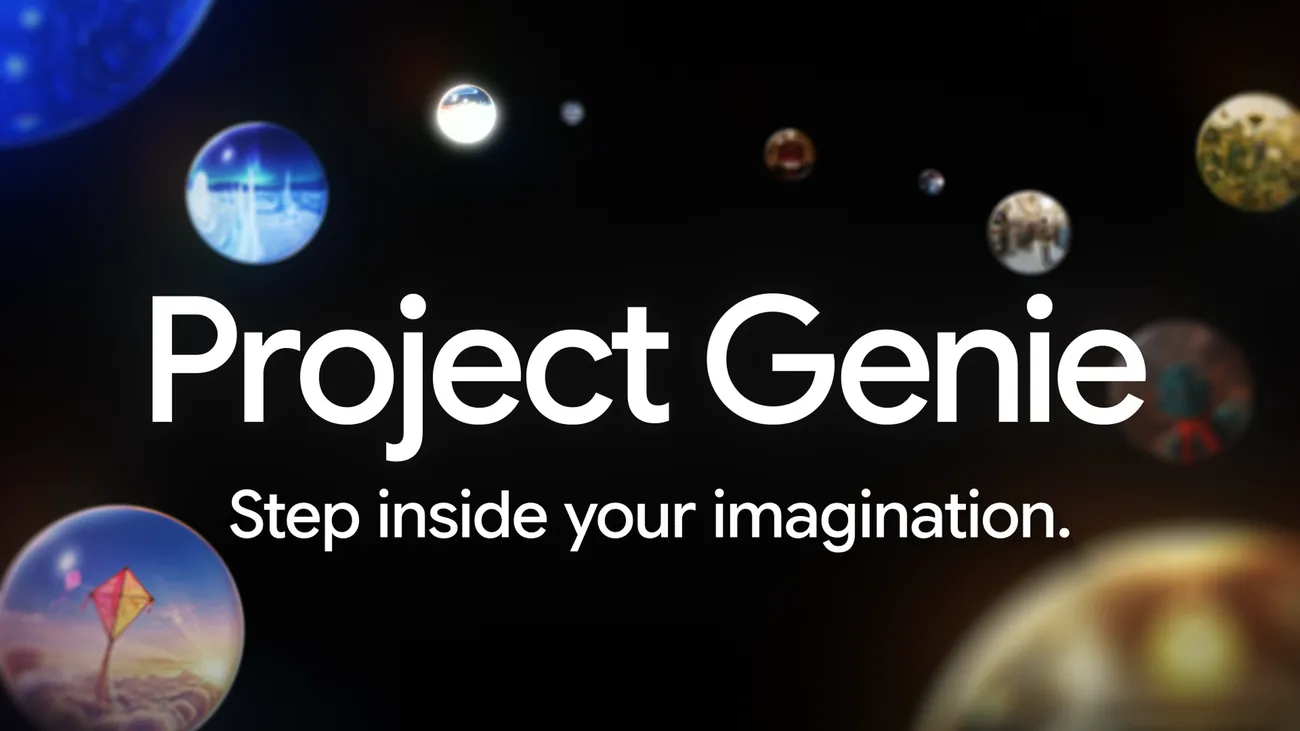
Google opened Genie 4 to paying users on November 18. The world model, which DeepMind showed only to trusted testers in October, is now rolling out inside Project Genie to eligible Google AI Ultra subscribers, according to Google's announcement. Google AI Pro members can join a waitlist.
A world model generates a scene you can walk through and change while it runs, rather than a fixed video clip. Until now, Genie 4 was something people read about. This is the first time anyone outside Google's test group can use it, though only on Google's most expensive consumer plan.
What Genie 4 adds to Project Genie
Google calls Genie 4 the most realistic and interactive world model it has released. Two things set it apart from Genie 3, which Project Genie has run until now:
- Sound. Genie 4 generates audio together with the picture: ambient sound that fits the scene and dialogue from characters. Google says this is the first time a Genie model pairs audio with its visuals.
- Changes mid-session. You can type a new prompt while you explore, for example to change the weather, add a character or redirect the action.
Google says Genie 4 has the best visuals, physics and audio of any Genie model. That is Google's own claim. The post gives no resolution, frame rate or session length for Genie 4, and no outside tests have been published.
Genie 3 gets longer sessions
Genie 3 stays in the model picker, and it gets upgrades of its own:
- Sessions run up to 3 minutes per generation, up from 60 seconds.
- Worlds can be chained into longer journeys.
- A 360-degree panorama can be used as the starting image for a world.
- A typed prompt can trigger an event while you explore.
An agent that builds worlds, and a gallery
Project Genie also gets an agent. You describe a world in conversation, and it uses Google's other models to make the first visuals and a custom background score. It can bring Gemini into a session, where Gemini watches the screen, suggests where to go next or triggers events.
A new gallery holds curated worlds and community creations. Users can publish their own worlds and remix others, changing the layout, the soundtrack or the rules. Google's examples include "Living Memory", which turns personal photos into spaces you can explore, and "The Life of Ants", made with filmmaker Anand Gandhi using Genie 4.
Who can use it, and what it costs
Project Genie is "only available with a Google AI Ultra plan", according to Google's subscriptions page, which lists Ultra from $99.99 a month and a $199.99 tier with higher usage limits, as of November 18, 2026. The page says Project Genie is available in more than 140 countries and that Google AI plans are for people 18 and older.
The announcement says the rollout is to "eligible" Ultra subscribers without defining eligible. Neither page says whether both Ultra tiers get Genie 4. Pro subscribers ($19.99 a month) get only the waitlist, with no date.
The October preview also promised early access through the Gemini API and Google AI Studio for partners. Today's post says nothing new about developer access. Our report on the October preview covers how the model is built.
What Google says still doesn't work
Google lists camera latency, complex physical interactions, the precision of real-time audio and long-term scene permanence as open problems. All video and audio from Project Genie carries a SynthID watermark, and Google says every input and output passes safety screening.
The numbers to watch are the ones Google left out: how long a Genie 4 session runs, at what resolution, and when the Pro waitlist opens.
Sources
- Genie 4 is now availableGoogle
- Google AI subscriptionsGoogle
- Genie 4: A new generation of world simulationGoogle DeepMind